
Table of Contents
- What Counts as an Emergency Plumbing Situation
- Create a Plumbing Emergency Checklist Before Disaster Strikes
- How to Shut Off Water to Your House: Step-by-Step
- Frozen Pipe Repair and Prevention
- Understanding Emergency Plumbing Cost and Pricing
- What to Do While Waiting for Your Plumber
- Choosing a Reliable Emergency Plumber
- Frequently Asked Questions
Last Updated: October 21, 2026
What Counts as an Emergency Plumbing Situation
A plumbing emergency is any situation where water damage is actively occurring or imminent, where you lack access to water or sewage, or where a system failure poses health or safety risks. Not every plumbing problem requires emergency service, but knowing the difference between urgent and routine repairs can save you thousands in water damage and unnecessary service charges.
Burst pipes and active water leaks
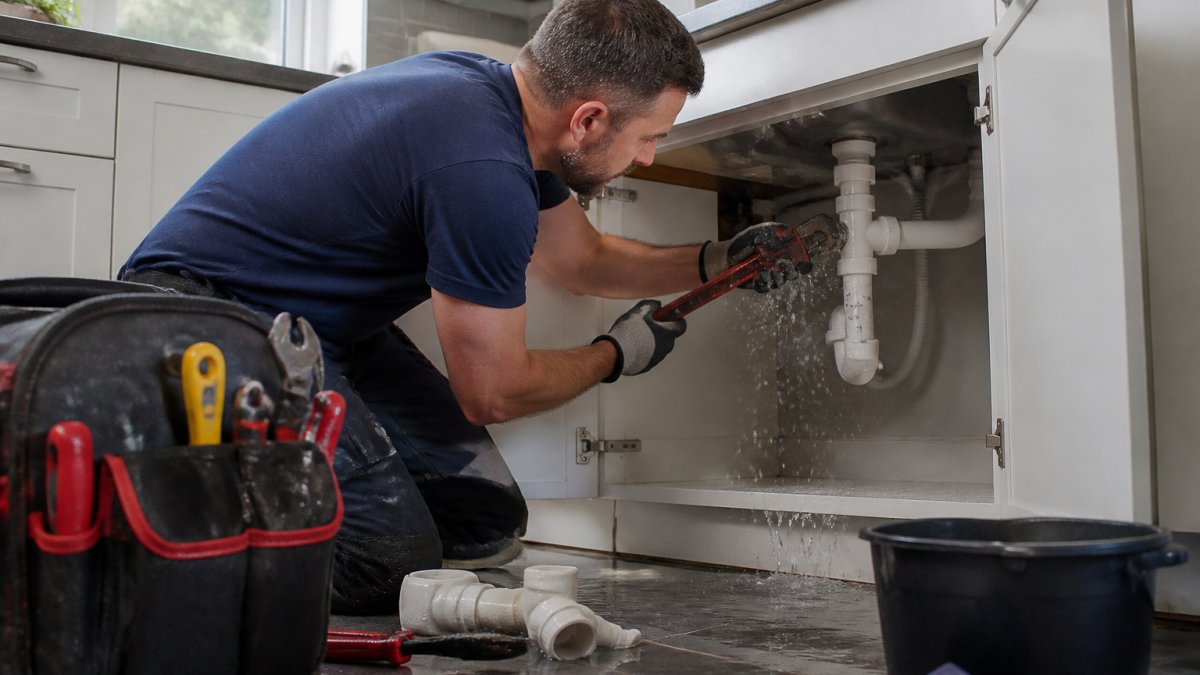
Burst pipes and active water leaks demand immediate attention. Water flowing from a cracked or ruptured pipe can damage walls, flooring, electrical systems, and foundations within hours. A pinhole leak might seem minor, but it wastes water and can rot structural components over time.
Signs of a burst pipe include sudden drops in water pressure, visible water stains on ceilings or walls, pooling water in your yard, or the sound of running water when all fixtures are off. If you see water actively spraying or pooling, this is a true emergency plumbing situation that requires professional help within the hour.
No water supply or sewage backup
Loss of water supply affects your ability to cook, clean, and maintain hygiene. A sewage backup, indicated by slow drains throughout your home, gurgling sounds from toilets, or foul odors, poses serious health hazards and indicates a blockage in your main line.
Sewage backup is especially urgent because raw sewage contains pathogens that cause illness (the CDC). If multiple drains are backing up simultaneously or you see sewage pooling in your yard, call for emergency plumbing services immediately. This situation requires professional diagnosis and clearing, not DIY attempts.
Create a Plumbing Emergency Checklist Before Disaster Strikes
The best time to prepare for a plumbing emergency is before one happens. A simple checklist helps you act quickly and reduces panic when water is flowing where it shouldn’t be.
| Action | Timing | Priority |
|---|---|---|
| Locate main water shutoff valve | Before emergency | Critical |
| Know location of individual fixture shutoffs | Before emergency | High |
| Document your plumber’s contact information | Before emergency | Critical |
| Take photos of your home’s plumbing layout | Before emergency | Medium |
| Know where your water meter is located | Before emergency | High |
| Have towels and buckets ready | Before emergency | Medium |
Keep this checklist posted on your refrigerator or stored in your phone. When an emergency strikes, you’ll have clear steps rather than scrambling to figure out what to do first. Many homeowners waste critical minutes searching for their shutoff valve or trying to remember their plumber’s phone number while water damage accelerates.
Write your emergency plumber’s phone number directly on the checklist. In a crisis, you may not remember where you saved contact information, but a printed checklist on your fridge is always accessible.
How to Shut Off Water to Your House: Step-by-Step
Shutting off water quickly is the single most important action you can take during a burst pipe or major leak. Every minute water flows increases damage to your home’s structure and contents.
Locating your main water shutoff valve
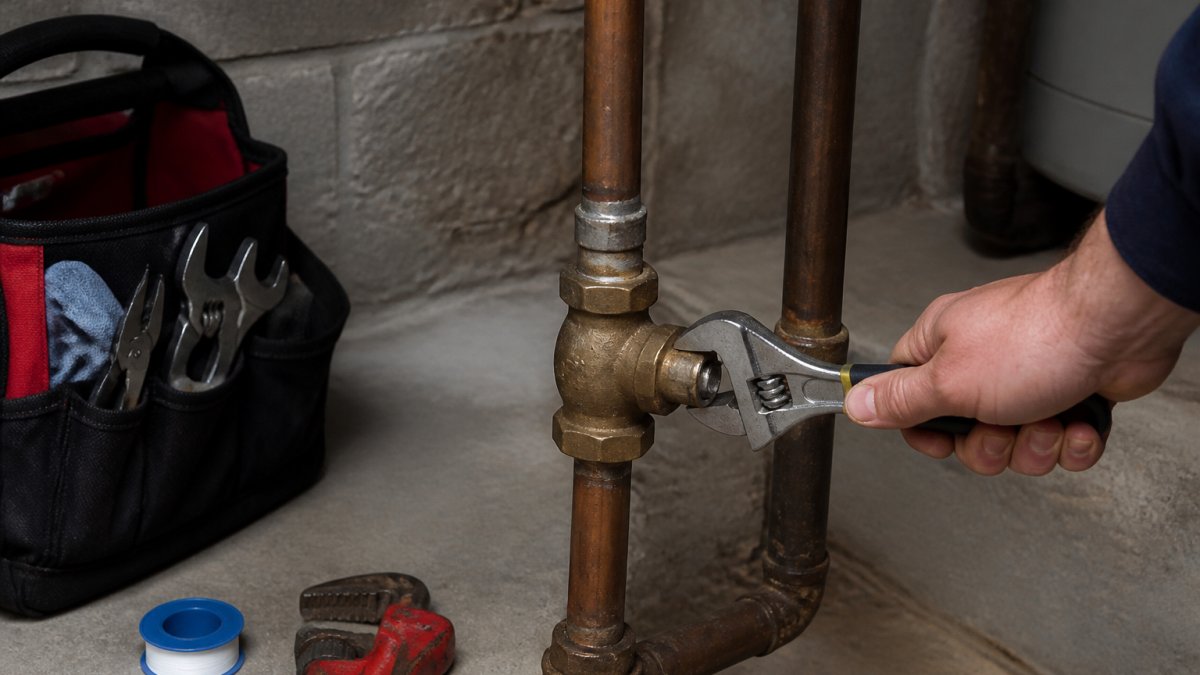
Your main water shutoff valve controls water flow to your entire house. It’s typically located where the water line enters your home, usually in the basement, crawl space, garage, or near the foundation on an exterior wall.
Trace the large water pipe entering your home from outside. Follow it inward until you see a valve (often brass or chrome, with a lever or round knob). If you can’t find it, check your home’s inspection report or ask your neighbors where theirs is located.
Once you’ve found it, test it. Turn the valve slowly to ensure it moves freely. A valve that hasn’t been used in years may be stuck or corroded.
Individual fixture shutoffs for targeted control
Not every leak requires shutting off water to your entire house. Under sinks, behind toilets, and near water heaters, you’ll find individual shutoff valves that control water to just that fixture.
For a leaking toilet, turn the shutoff valve behind the toilet clockwise until it stops. For a sink leak, look under the cabinet for two valves, one for hot water, one for cold. Turn both clockwise.
If an individual shutoff valve won’t turn or is leaking itself, you’ll need to use the main shutoff instead. This is another reason to test all valves regularly, a valve that doesn’t work in an emergency is useless.
Never force a stuck valve. Forcing it can break the valve or the pipe connection. If a valve won’t turn easily, call a professional to service it before an emergency occurs.
Frozen Pipe Repair and Prevention
Frozen pipes are a seasonal emergency plumbing concern in colder months. Water expands as it freezes, creating pressure that can burst pipes from the inside. A frozen pipe that hasn’t burst yet is still an emergency because you’ve lost water access and the pipe is at imminent risk of rupturing.
Recognizing frozen pipe symptoms
A frozen pipe shows clear warning signs before it bursts. You’ll notice no water flowing from one or more faucets, even though other fixtures work normally. Ice may be visible on exposed pipes in unheated spaces like basements or crawl spaces. You might smell a musty odor if water has begun leaking behind walls.
If you turn on a faucet and nothing comes out, but your neighbor’s water is fine, your pipes are likely frozen. Act immediately, thawing a frozen pipe before it bursts can save thousands in water damage.
Thawing techniques and professional help
For exposed frozen pipes, you can attempt thawing yourself using a heat gun, hair dryer, or heat tape applied directly to the pipe. Work slowly from the faucet back toward the frozen section, never using an open flame.
If the frozen section is inside a wall or inaccessible, or if your attempts to thaw don’t restore water flow within 30 minutes, call for emergency plumbing services. A professional can locate the blockage, thaw it safely, and inspect for damage.
Prevention is far more effective than emergency thawing. Insulate exposed pipes in unheated spaces, let faucets drip slightly on freezing nights to keep water moving, and keep cabinet doors open under sinks to allow warm air circulation. These simple steps prevent most frozen pipe emergencies.
Understanding Emergency Plumbing Cost and Pricing
Emergency plumbing service costs vary based on the time of day, the complexity of the repair, and your service area. Calls outside normal business hours typically include an emergency fee. The actual repair cost depends on what’s wrong, a simple shutoff valve replacement costs less than a burst pipe that requires wall access and pipe replacement.
Rather than guessing at costs, contact your local emergency plumber for a quote. Many providers offer free phone consultations where they can assess your situation and give you a realistic estimate. At Clayton McKay, we provide transparent pricing.
Don’t let cost uncertainty keep you from calling for help. Water damage accelerates rapidly, delaying service to save money on the emergency call often costs far more in structural repairs, mold remediation, and replacement of damaged belongings.
The cost of an emergency call is almost always less than the cost of the water damage that occurs while you wait. Call immediately when you identify a true emergency plumbing situation.
What to Do While Waiting for Your Plumber
The minutes between discovering a plumbing emergency and your plumber’s arrival are critical. Taking these actions limits damage and gives your plumber a clearer picture of what happened.
Contain water and document damage
Place towels, buckets, or a wet-dry vacuum under active leaks to catch water. If water is pooling on floors, push it toward drains or outside if possible. Open windows and doors to increase air circulation, this helps prevent mold growth in damp areas (the EPA).
Take photos and videos of the damage while you’re waiting. Document water pooling, stains on walls or ceilings, and any visible damage to belongings. These photos help your insurance claim and give your plumber context for the repair.
Shut off affected appliances and systems
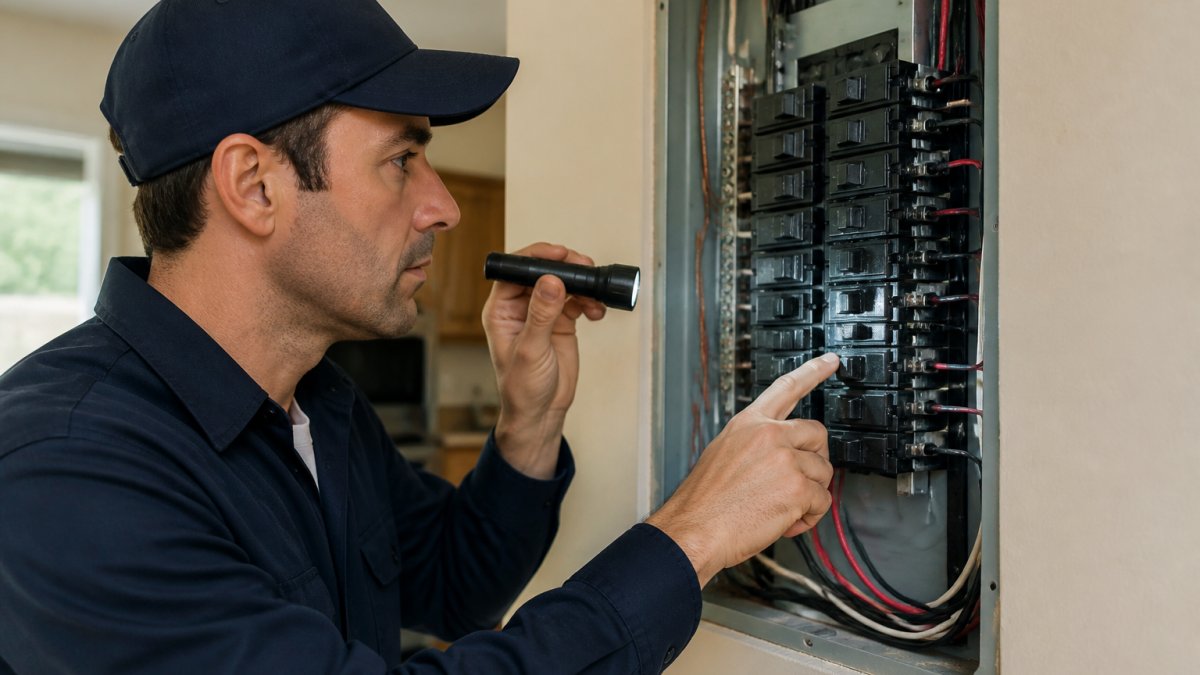
Turn off your water heater if a pipe near it has burst. If water is leaking near electrical outlets or appliances, turn off power to those circuits at your breaker panel. Move valuables away from the affected area if time permits.
If sewage is backing up, avoid using any drains or toilets, this pushes more sewage into your home. Wait for professional help to clear the blockage.
Choosing a Reliable Emergency Plumber
When a plumbing emergency strikes, you don’t have time to research options. Choose your emergency plumber now, before you need one. A trusted relationship with a local professional means faster response and better service when you’re in crisis mode.
Verify licensing and credentials
A licensed plumber has met training requirements and passed exams in your state. Ask whether the plumber carries liability insurance, which protects you if something goes wrong during the repair.
Ask how long the plumber has been in business and whether they specialize in emergency service.
Confirm service area coverage and response time
Not all plumbers service all areas. Confirm that your plumber covers your neighborhood and ask what their typical emergency response time is. Some providers offer 24/7 service; others have limited hours. Knowing this in advance prevents calling someone who can’t reach you for hours.
Ask whether they charge a separate emergency fee and what that fee covers.
At Clayton McKay, we provide emergency plumbing services across Plymouth, the South Shore, and Cape Cod with rapid response times. Our team of licensed professionals responds to true emergencies with the urgency they demand.
Ask about warranty and follow-up support
A reliable plumber stands behind their work with a warranty. Ask what’s covered and for how long.
Also ask about follow-up support. Will they return to inspect the repair after a few days? Do they offer preventative maintenance to help you avoid future emergencies?
A plumbing emergency tests your home’s resilience and your ability to act decisively. But with preparation, knowledge of your home’s systems, and a trusted emergency plumber on speed dial, you can minimize damage and restore normalcy quickly. The steps outlined here, locating your shutoff valve, understanding what constitutes an emergency, and choosing a reliable professional, put you in control when crisis strikes. At Clayton McKay, we’re here when you need us most. Contact us for emergency plumbing services and get the rapid, professional response your home deserves.
Frequently Asked Questions
What counts as a plumbing emergency?
A plumbing emergency includes burst pipes, active water leaks, no water supply, sewage backup, or a non-functional water heater during winter. Any situation causing water damage, health hazards, or loss of essential services qualifies. If water is actively flowing where it shouldn’t, or you have no access to water or working drains, call for emergency plumbing services immediately rather than waiting for regular business hours.
How do I create a plumbing emergency checklist before disaster strikes?
Document your main water shutoff valve location, take photos of it, and label it clearly. List all licensed plumber contact numbers. Know where your water heater is located. Keep a basic toolkit handy with a wrench, bucket, and flashlight. Store this checklist somewhere accessible, a kitchen drawer or refrigerator, so you can act quickly when a crisis occurs.
What should I do while waiting for an emergency plumber to arrive?
First, shut off water at the main valve to stop active leaks. Place buckets or towels under leaks to contain water and protect flooring. Turn off the water heater if there’s a leak in the system. Document damage with photos for insurance purposes. Move valuable items away from affected areas. If sewage is backing up, avoid using drains or toilets. Keep the area clear so the plumber can access the problem quickly when they arrive.
How much does emergency plumbing service typically cost?
Emergency plumbing pricing depends on the time of call, severity of the issue, parts needed, and your service area. After-hours and weekend calls typically carry higher rates than standard business hours. The best way to understand pricing is to contact your local provider directly for a quote. Many providers offer membership programs like Comfort Plus+ that reduce emergency service costs and provide priority response, making them cost-effective for homeowners who want faster help.

Leave A Comment