

Last Updated: October 26, 2026
Quick Summary
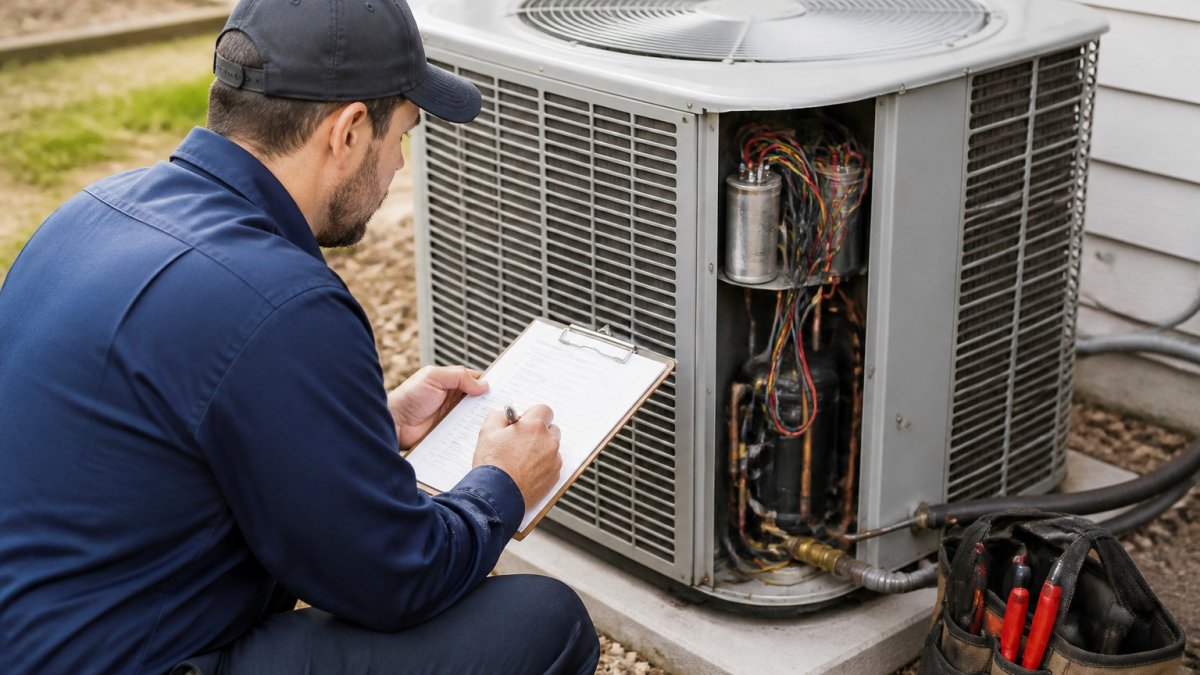
HVAC preventative maintenance plans are scheduled service agreements that help you take control of your system’s health by catching problems during routine inspections instead of waiting for breakdowns. These plans typically include system inspections, filter replacement, coil cleaning, refrigerant checks, electrical inspections, thermostat testing, and safety checks to keep your heating and cooling system running efficiently.
- Systems receiving consistent preventative maintenance often operate reliably for 15-18 years, compared to 10-12 years for neglected systems.
- Typical maintenance includes filter replacement, coil cleaning, refrigerant level checks, electrical inspections, and safety testing for carbon monoxide leaks.
- Many homeowners report lower utility bills within the first heating or cooling season after starting a maintenance plan.
- Systems on maintenance plans experience fewer unexpected failures because problems are caught during routine inspections before they become emergencies.
Table of Contents
- Why HVAC Preventative Maintenance Plans Matter
- What Does HVAC Maintenance Include
- How Often Should HVAC Be Serviced for Peak Performance
- Key Benefits of a Preventative HVAC Maintenance Plan
- HVAC Maintenance Checklist for Homeowners
- How to Choose an HVAC Maintenance Plan That Fits Your Needs
- Plan Pricing, Savings, and Return on Investment
- Getting Started With Your HVAC Maintenance Plan
- Frequently Asked Questions
Why HVAC Preventative Maintenance Plans Matter
Your heating and cooling system is one of the largest investments in your home. This is where HVAC preventative maintenance plans become essential.
A preventative maintenance plan is a scheduled service agreement. Instead of waiting for a breakdown to call a technician, you’re taking control of your system’s health.
At Clayton McKay, we offer maintenance plans for homeowners.
What Does HVAC Maintenance Include
Understanding what’s covered in a maintenance plan helps you evaluate whether it’s right for your situation.
A typical HVAC maintenance checklist covers:
- System inspection, Technician evaluates the entire unit for visible wear, corrosion, or damage
- Filter replacement or cleaning, Dirty filters restrict airflow and reduce efficiency significantly (HVAC Proper Installation of Filters)
- Coil cleaning, Evaporator and condenser coils accumulate debris that degrades performance
- Refrigerant level check, Low refrigerant indicates leaks and reduces cooling capacity
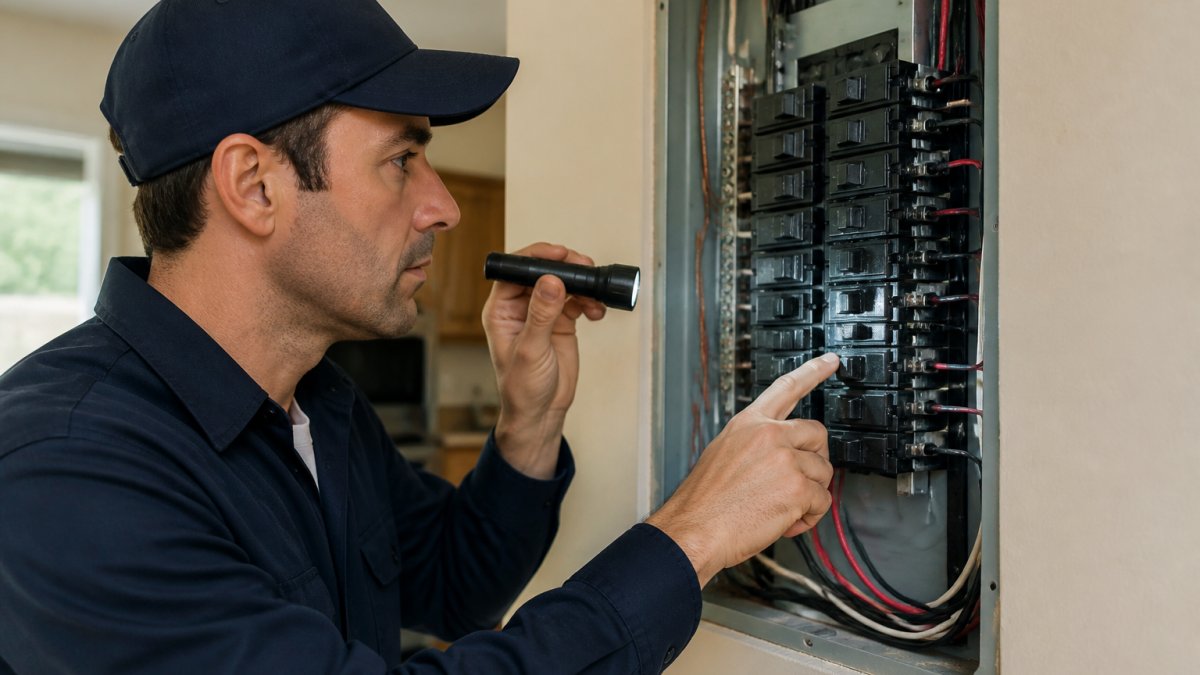
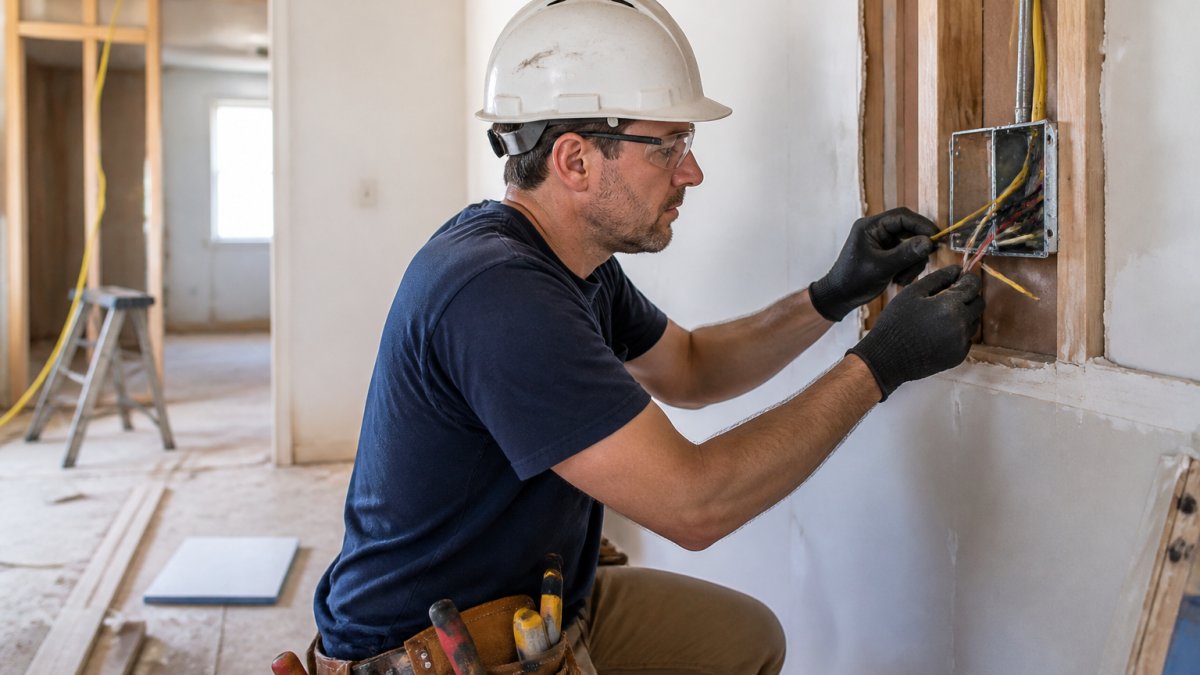
- Electrical connections inspection, Loose connections create fire hazards and system failures (CPSC and NESF Urge Consumers to “”Plug Into Electrical Safety””)
- Thermostat testing, Ensures accurate temperature control and proper system cycling
- Blower motor and fan inspection, Checks for noise, vibration, or mechanical issues
- Ductwork evaluation, Identifies leaks or blockages affecting airflow distribution
- Safety checks, Tests for carbon monoxide leaks (furnaces) and proper ventilation
- System performance testing, Verifies the unit operates within manufacturer specifications
Before enrolling, confirm what repairs are included versus what requires separate payment.
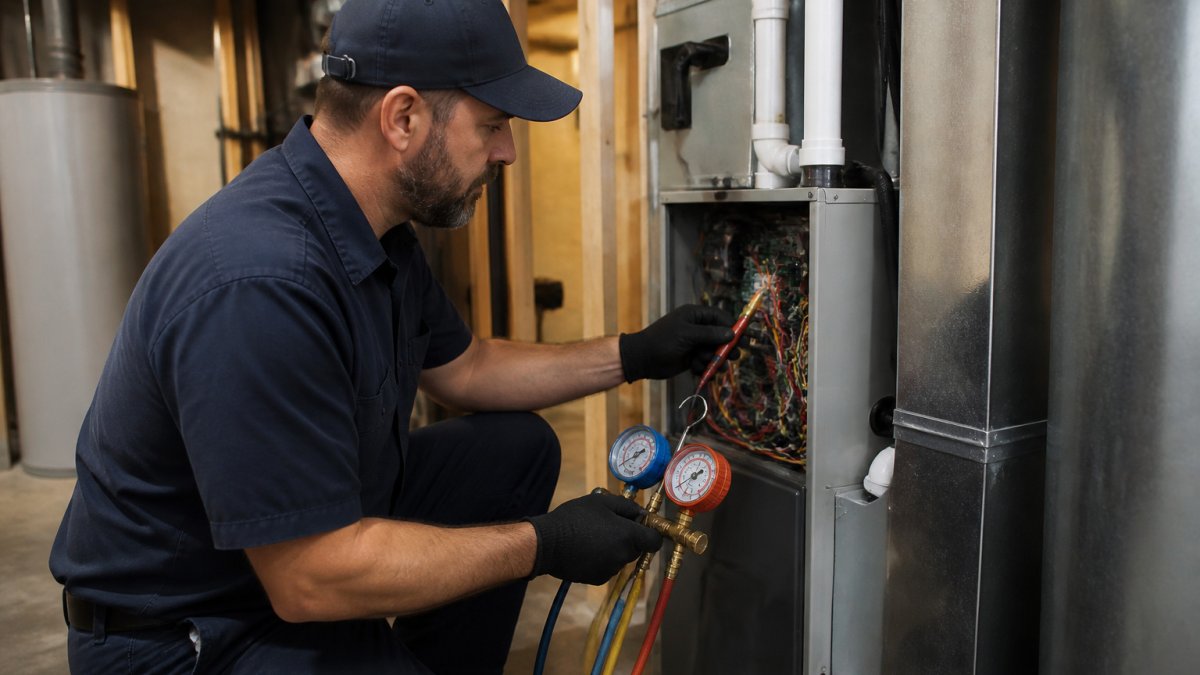
A typical HVAC maintenance plan covers these essential services during routine visits.
| Service | Purpose |
|---|---|
| System inspection | Evaluates entire unit for wear, corrosion, or damage |
| Filter replacement or cleaning | Removes restrictions that reduce efficiency |
| Coil cleaning | Removes debris from evaporator and condenser coils |
| Refrigerant level check | Detects leaks and ensures cooling capacity |
| Electrical connections inspection | Prevents fire hazards and system failures |
| Thermostat testing | Ensures accurate temperature control and cycling |
| Blower motor and fan inspection | Checks for noise, vibration, or mechanical issues |
| Ductwork evaluation | Identifies leaks or blockages affecting airflow |
How Often Should HVAC Be Serviced for Peak Performance
The frequency of service visits depends on your system type, age, and climate demands.
The key is consistency.
Key Benefits of a Preventative HVAC Maintenance Plan
Understanding a maintenance plan can help you evaluate whether it aligns with your priorities. Find answers to common questions about cooling systems.
Lower Energy Bills and Improved Efficiency
Many homeowners report noticing lower utility bills within the first heating or cooling season after starting a maintenance plan, particularly if their system was previously neglected. The exact savings depend on your system’s age, local energy rates, and how much deferred maintenance your equipment had accumulated.
Fewer Emergency Breakdowns and Repair Costs
Systems on maintenance plans experience fewer unexpected failures because problems are caught during routine inspections. This means fewer emergency calls, more predictable service costs, and better comfort reliability when seasonal demands are highest.
Extended Equipment Lifespan
Systems receiving consistent preventative maintenance often operate reliably for 15-18 years or longer. Systems that are neglected frequently fail by year 10-12. That 3-6 year difference translates directly to avoided replacement costs and extended use of equipment that’s already paid for itself.
Better Indoor Air Quality and System Reliability
System reliability during peak heating and cooling seasons matters for comfort and safety. A well-maintained system is far more likely to operate consistently when outdoor temperatures are extreme. Neglected systems often fail during the exact moments when you need them most, when it’s coldest or hottest outside and technician availability is lowest.
HVAC Maintenance Checklist for Homeowners
- Check and replace air filters monthly during heating and cooling seasons
- Ensure outdoor condenser unit is clear of leaves, debris, and vegetation
- Verify that vents and returns are unblocked by furniture or curtains
- Listen for unusual noises (grinding, squealing, rattling) and report to technician
- Monitor thermostat operation and note any temperature inconsistencies
- Keep the area around indoor and outdoor units clean and well-ventilated
- Document service dates and any issues noted for your technician
- Review your maintenance plan annually to confirm coverage aligns with your needs
How to Choose an HVAC Maintenance Plan That Fits Your Needs
Comparing options requires understanding what each plan includes and costs relative to your system’s needs.
Start by evaluating your system’s age and condition.
Next, clarify what’s included in the plan.
Consider the service provider’s responsiveness and availability.
Plan Pricing, Savings, and Return on Investment
Understanding the costs of maintenance plans helps you determine whether the investment makes sense for your situation.
Plan costs vary based on system type, plan tier, and service frequency. Basic annual plans typically cost less than comprehensive plans with parts coverage and priority emergency response. A plan covering one annual visit costs less than one covering two visits plus emergency service inclusion. Financing options like Mass Save rebates and financing programs can help offset plan costs for qualifying homeowners.
To evaluate a specific plan, compare its cost against your current repair spending.
Getting Started With Your HVAC Maintenance Plan
Taking time to understand your options can help you select coverage for your situation.
At Clayton McKay, we offer preventative maintenance plans.
Clayton McKay offers heating system maintenance services.
Frequently Asked Questions
What are the main benefits of an HVAC preventative maintenance plan?
Preventative maintenance plans reduce energy consumption by 5-15%, lower utility bills, prevent unexpected breakdowns during peak seasons, extend equipment lifespan by years, and improve indoor air quality. Regular tune-ups catch small problems before they become costly repairs, saving money on emergency service calls and extending the life of your furnace or heat pump significantly.
How often should HVAC be serviced to stay under warranty?
Check your equipment’s warranty documentation for specific requirements.
What does HVAC maintenance include in a typical plan?
Always review your specific plan to understand what’s included and what requires additional payment.
How do I know if an HVAC maintenance plan is worth the cost?
Calculate your break-even point by comparing annual plan fees against typical repair costs. Most plans pay for themselves within one or two service calls if an issue is caught early. Consider your system’s age, older equipment benefits more from frequent monitoring. Factor in energy savings from improved efficiency and the peace of mind of priority emergency response. Review plan terms to ensure coverage matches your system’s actual needs.
Can regular HVAC maintenance really lower my energy bills?
Yes. A well-maintained system operates at peak efficiency, reducing energy consumption by 5-15% depending on system condition. Clean filters, proper refrigerant levels, and optimized airflow all improve operating efficiency. Over time, these savings often exceed the annual maintenance plan cost. Energy bills drop further when maintenance catches efficiency problems early, preventing gradual performance decline that homeowners often don’t notice until bills spike.
What should I look for when comparing HVAC maintenance plans?
Compare what each plan includes and excludes. Read reviews about the provider’s reliability and professionalism.


Leave A Comment