

Last Updated: October 30, 2026
Quick Summary
A residential electrical safety inspection is a top-to-bottom check of your home’s electrical system by a licensed electrician, covering the service panel, breakers, wiring, outlets, switches, fixtures, and grounding. It finds hazards before they cause shocks, fires, or dead outlets, and small problems caught early tend to stay inexpensive to fix.
- Many electricians suggest an electrical safety inspection every 5 to 10 years as general guidance.
- Homes built before 1950 with knob-and-tube wiring warrant an inspection every 3 to 5 years.
- A visual inspection cannot see through drywall, behind finished ceilings, or inside conduit runs.
- Clear 3 feet of open space around the electrical panel before the electrician arrives.
- A home inspection rarely opens the panel and does not test breakers; an electrical inspection does both.
Table of Contents
- What a Residential Electrical Safety Inspection Actually Covers
- Why Electrical Inspections Matter for Fire Prevention
- What Happens During an Electrical Inspection
- Signs of Faulty Electrical Wiring That Warrant a Call
- How Often Should Home Wiring Be Inspected?
- Your Home Electrical Inspection Checklist: What to Do Before the Visit
- Home Inspection vs. Electrical Safety Inspection: What’s the Difference?
- How to Choose a Licensed Electrical Inspector
- Frequently Asked Questions
What a Residential Electrical Safety Inspection Actually Covers
A residential electrical safety inspection is a top-to-bottom check of your home’s electrical system by a licensed electrician.
The inspection covers the service panel, breakers, wiring, outlets, switches, fixtures, and grounding. The electrician looks, tests, and documents.
What it is not: a cosmetic walkthrough. An electrical safety inspection is a hands-on assessment of the parts of your home you never see.
Why Electrical Inspections Matter for Fire Prevention
Most home fires tied to electricity start where nobody looks: behind walls, inside panels, at loose connections. Damaged wiring and overloaded circuits heat up slowly.
An inspection catches those conditions early. The electrician tests connections, checks for overheating, and confirms your protective devices work. That is fire prevention in practice.
Here’s what most guides miss: the danger isn’t always old wiring.
According to the U.S. Fire Administration’s residential fire data, electrical failures remain a leading cause of home fires.
What Happens During an Electrical Inspection
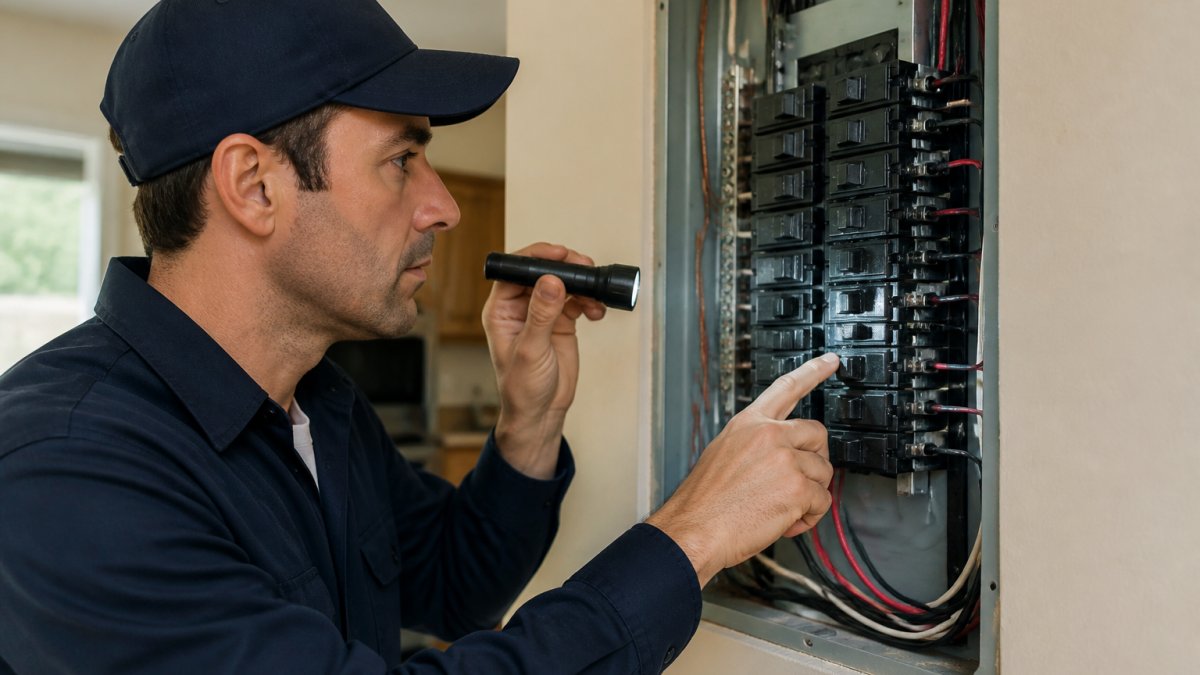
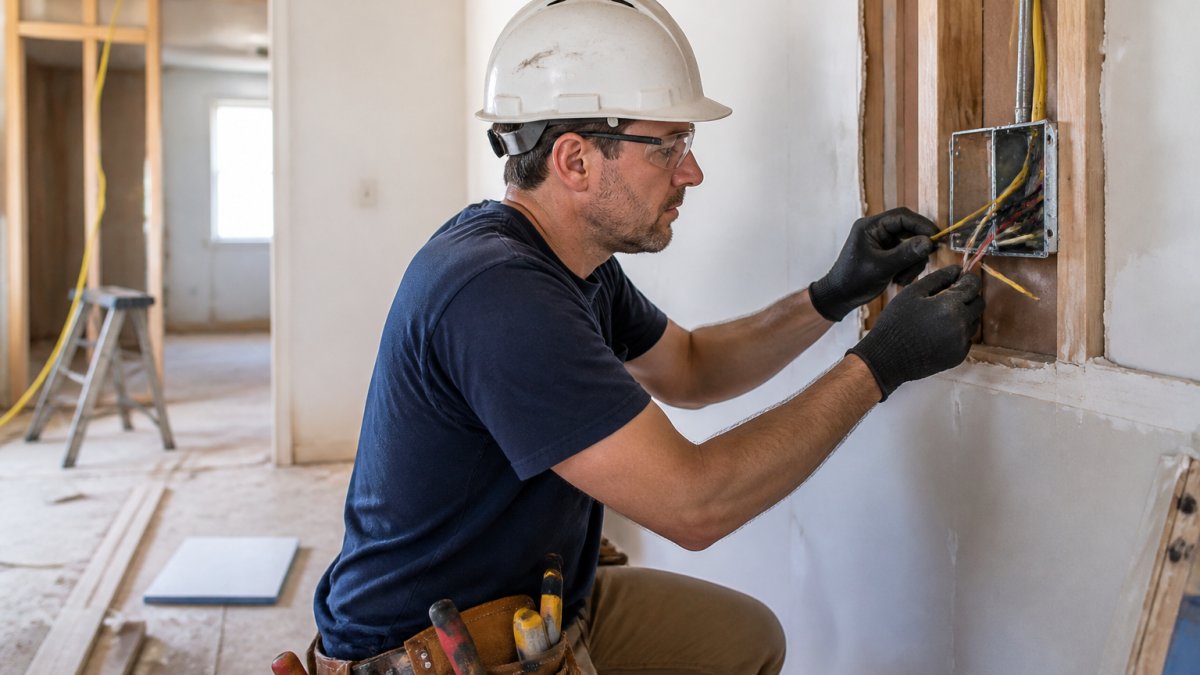
The length of an electrical inspection depends on the size and age of the home. The electrician works through the system in order, from the main panel outward. You’ll get a visual inspection first, then targeted testing, then a written summary.
The process is straightforward:
- Review the service panel and main disconnect
- Test breakers and confirm they trip correctly
- Check outlets, switches, and plugs room by room
- Inspect visible wiring in the basement, attic, and garage
- Test grounding and bonding
- Check GFCI and AFCI protection
- Document findings and photograph problem areas
From Panel to Outlet: What the Inspector Examines
Start at the panel. If the inspector flags your panel, see our electrical panel repair, replace, and upgrade services.
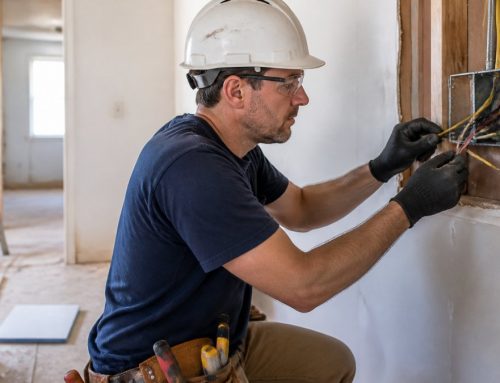
Then the outlets and plugs. Loose receptacles, missing cover plates, and ungrounded outlets all show up here. Each electrical connection gets a look.
Visible wiring comes next. Frayed insulation, improper splices, and wire that’s been chewed or pinched all get flagged. Not every problem is visible, and that’s an honest limit of any inspection.
What a Visual Inspection Can and Cannot Verify
This is the part most guides skip, and it’s the part that determines whether you trust the report. A residential electrical safety inspection is primarily a visual and tactile assessment of accessible components.
What the inspection cannot do is see through drywall, behind finished ceilings, or inside conduit runs without opening them. Concealed wiring, buried splices, and connections inside walls are generally outside the scope of a standard visual inspection unless opening a wall is warranted.
A few practical consequences follow from that boundary:
- A clean report means no accessible hazards were found, not that every wire in the house is perfect.
- Aluminum branch-circuit wiring, knob-and-tube, and other legacy systems may need targeted investigation beyond the standard walkthrough.
- If the electrician finds a symptom, warm receptacle, flickering circuit, scorch mark, the next step may be a focused diagnostic that goes beyond the inspection scope.
Ask the inspector before the visit which areas are accessible and which are not. Knowing the boundaries up front keeps the report honest and helps you plan any follow-up work.
How Findings Get Documented
A useful report is more than a list. It should identify each deficiency, note its location, describe why it matters, and indicate urgency, immediate hazard, repair soon, or monitor. Photographs of problem areas are standard for a thorough inspection.
That documentation is also what makes the inspection useful for planning. You can hand the report to any licensed electrician for a repair quote, compare findings over time, and confirm that prior work was completed.
Signs of Faulty Electrical Wiring That Warrant a Call
Some warning signs mean call now, not next year. Watch for these:
- Breakers that trip repeatedly
- Outlets or switch plates that feel warm
- A burning or fishy smell near outlets
- Lights that flicker or dim when appliances run
- Buzzing or crackling sounds from the panel
- Scorch marks or discoloration on outlets
- Two-prong outlets with no ground
- Sparking when you plug something in
Any one of these points to a potential hazard. Two or more means stop delaying. For a deeper look at symptoms, read our guide to the signs of faulty electrical wiring every homeowner should know.
If you’re noticing problems and want quick answers first, our home electrical system FAQ covers the questions we hear most.
Watch out: never open the panel or poke at wiring yourself to “check” a problem. That’s how a small issue becomes an emergency.
How Often Should Home Wiring Be Inspected?
Many electricians suggest an electrical safety inspection every 5 to 10 years as general guidance. For a direct answer on how often your home’s electrical system should be inspected, see our dedicated guide. Certain situations call for one sooner:
- You just bought the home
- The home is 40+ years old and never updated
- You’ve added major appliances or a new HVAC system
- You’re finishing a basement or adding a room
- You’ve had flooding or a major leak
- Someone has done DIY electrical work
Older homes with aging wiring need closer attention. So do homes with a fuse box instead of breakers.
Timing by Home Age and Electrical System
The 5-to-10-year rule is a starting point, not a universal answer. The right interval depends on what’s actually in the walls and panel. Here’s how the guidance shifts by system type and home age:
-
Homes built before 1950. Knob-and-tube wiring and early two-wire circuits without grounding are common. These systems can remain functional, but they degrade, and they were not designed for modern loads. An inspection every 3 to 5 years is a reasonable pattern, and any major renovation should trigger one regardless of the calendar.
-
Homes built in the 1950s through 1970s. This era includes aluminum branch-circuit wiring in some regions and fuse boxes that predate modern breaker protection. Aluminum connections can pose a fire concern when they loosen, so an evaluation by an electrician familiar with aluminum wiring is worth considering.
-
Homes with fuse boxes. Fuses are not inherently unsafe, but they invite oversized replacement fuses and offer no arc-fault protection. An inspection every 3 to 5 years, plus a conversation about a panel upgrade, is a common recommendation.
-
Homes with modern breakers and AFCI/GFCI protection. The standard 5-to-10-year interval is usually adequate unless something changes.
-
Homes with additions, finished basements, or major appliance upgrades. Any significant electrical load change is a reason to inspect, because the panel and circuits may no longer match the demand.
These intervals are general patterns, not a substitute for a licensed electrician’s judgment. A home that shows warning signs needs an inspection now, regardless of when the last one was done.
What Changes the Schedule
Beyond age and system type, a few events reset the clock. A flood or major leak can corrode connections and trip breakers long after the water is gone.
If you’re unsure where your home falls, the safest move is to book an inspection and ask the electrician to recommend a follow-up interval based on what they find. That turns a generic rule into a schedule built for your house.
Your Home Electrical Inspection Checklist: What to Do Before the Visit
A little prep makes the inspection faster and more useful. Here’s a safe homeowner checklist. Note the DIY boundary: you prepare access, you don’t touch wiring.
- Clear a path to the electrical panel (3 feet of open space)
- Move boxes and storage away from the panel
- Make a list of outlets or switches that don’t work
- Write down any flickering lights or tripping breakers
- Note recent appliance additions or renovations
- Secure pets in another room
- Have your panel’s age and any past repair records ready
- Ask questions during the walkthrough
That’s the whole list. You are not removing cover plates or testing anything. Leave that to the licensed electrician.
Home Inspection vs. Electrical Safety Inspection: What’s the Difference?
A general home inspection is a broad look at the whole house. It covers the roof, foundation, plumbing, and a visual check of the electrical system. It is not a dedicated electrical assessment.
An electrical safety inspection goes deep on one system. A licensed electrician tests components, opens the panel, and confirms protective devices work. A home inspector typically notes “electrical appears functional” and moves on.
| Feature | Home Inspection | Electrical Safety Inspection |
|---|---|---|
| Who performs it | General home inspector | Licensed electrician |
| Scope | Whole house, visual | Electrical system, tested |
| Panel opened | Rarely | Yes |
| Breaker testing | No | Yes |
| Best for | Buying a home | Safety and maintenance |
If you’re buying, get both. A home inspection flags concerns; an electrical inspection confirms them.
How to Choose a Licensed Electrical Inspector
Verify the license first. Electricians are licensed at the state level, and you can check credentials through your state’s licensing board.
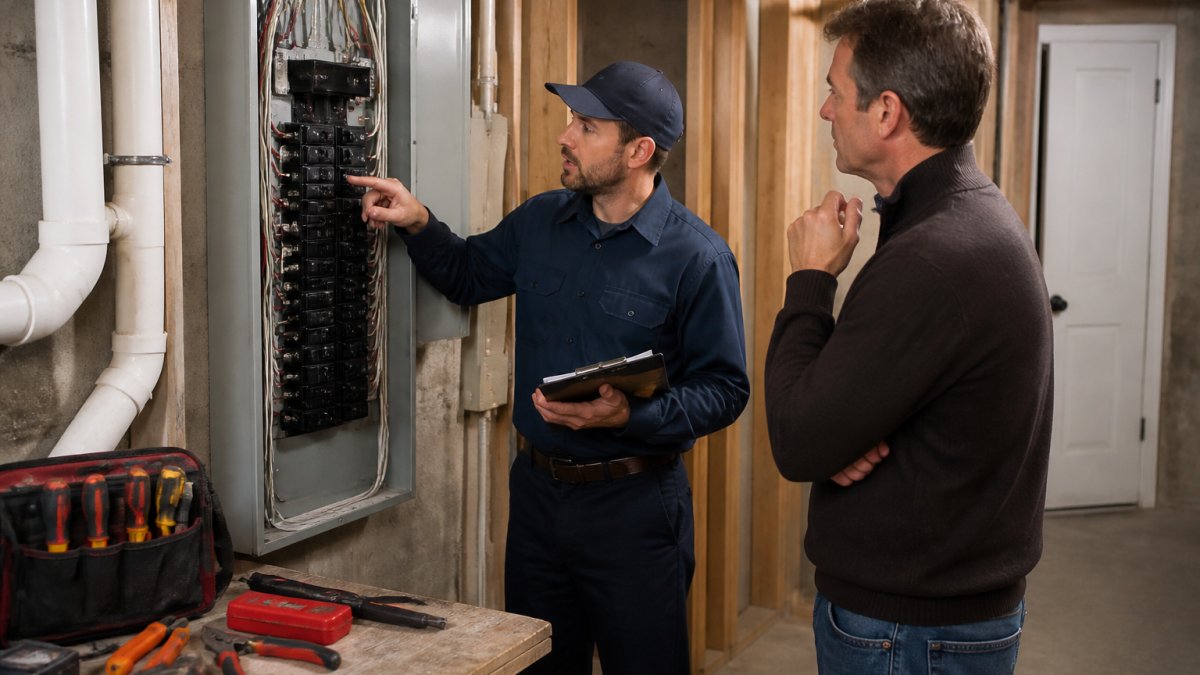
Here’s what to ask before you hire:
- Are you licensed and insured in this state?
- Will you provide a written report?
- What’s included, and what costs extra?
- How long will the inspection take?
- Do you do repairs, or just inspect?
That last question matters. Some inspectors only inspect and hand you a list.
A common mistake is picking the cheapest quote without checking the license. A bargain inspection from an unqualified person tells you nothing useful. Verify first, then compare.
When you’re ready to book, contact our team to schedule your inspection.
Frequently Asked Questions
How often should electrical wiring in a house be inspected?
Most electricians recommend a professional electrical safety inspection every 5 to 10 years for a typical home. Many electricians suggest checking sooner, such as every 3 to 5 years, if your house is over 40 years old, you’ve added major appliances or a renovation, or you’re buying a property with unknown history. Homes with aluminum wiring or a fuse box instead of circuit breakers should be checked sooner. An inspection is also worth scheduling any time you notice flickering lights, warm outlets, or a burning smell near a switch.
What are the signs of faulty electrical wiring I should watch for?
Watch for outlets or switch plates that feel warm, lights that flicker or dim when appliances kick on, a circuit breaker that trips repeatedly, and a faint burning smell near outlets or the panel. Scorch marks, discolored faceplates, buzzing sounds, and two-prong outlets with no ground are also red flags. Any of these signs of faulty electrical wiring warrant a prompt inspection rather than a wait-and-see approach, since damaged wiring behind walls is invisible until it fails.
What happens during an electrical inspection and what does it cost?
A licensed electrician performs a visual inspection of the panel, breakers, wiring, outlets, switches, and grounding, then runs tests on GFCI and AFCI protective devices and checks for overheating and loose connections. Expect the visit to take one to three hours depending on home size. Pricing depends on the home’s age, size, and scope, so request a quote for your specific property from the business directly.
Can an electrical safety inspection identify faulty wiring behind walls?
A standard inspection identifies visible wiring problems and uses testing to catch many hidden issues, but it has limits. Inspectors can check accessible wiring, panels, outlets, and connections, and test protective devices, yet they cannot see every wire buried inside finished walls without opening them. That’s why the report states scope and limitations clearly. If testing or visible clues point to a hidden problem, the inspector will recommend targeted follow-up work, which may include opening a wall section for a closer look.
Your home’s electrical system works hard and rarely complains until something fails. Don’t wait for a spark to find the problem. Clayton McKay brings Massachusetts licensed electricians to your door, backed by our Comfort Plus+ membership with priority scheduling and preventative maintenance that keeps small issues from becoming emergencies. Get started with Clayton McKay and schedule a residential electrical safety inspection that gives you real answers and a clear plan.


Leave A Comment