

Last Updated: November 14, 2026
Quick Summary
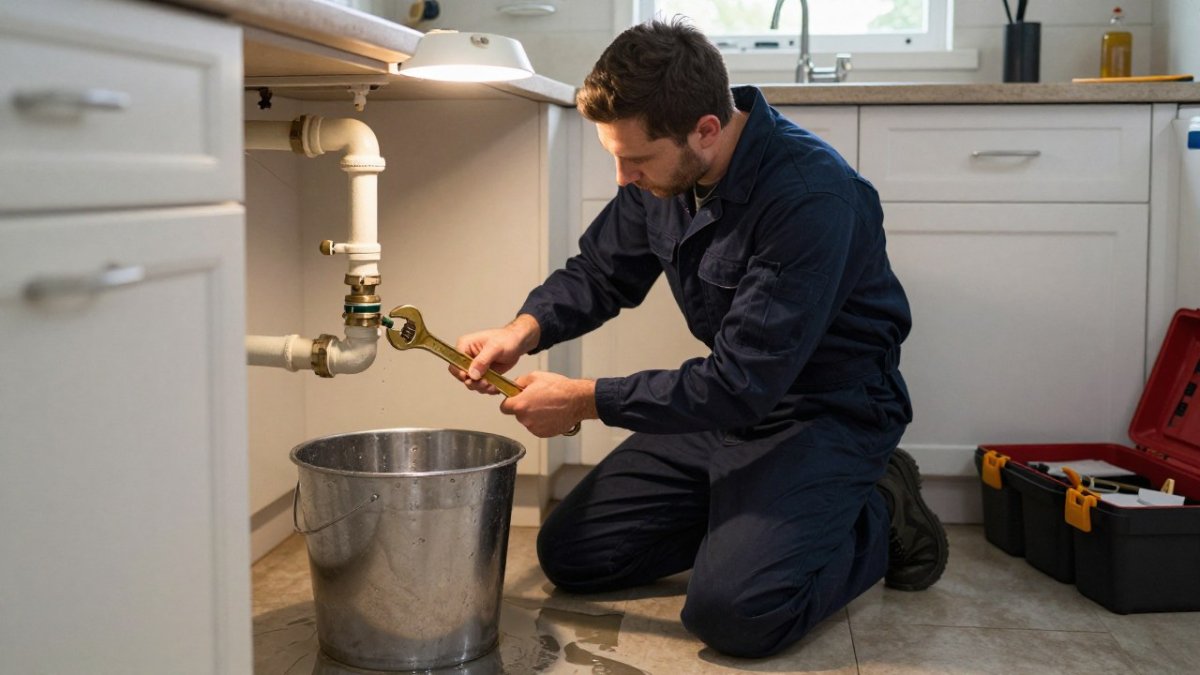
Call an emergency plumber when you cannot stop running water, smell gas, or see water near electricity. A burst pipe, sewage backing up into tubs or drains, active flooding, or no water in freezing weather also counts as an emergency. One slow drain or a dripping faucet can usually wait for a regular plumber.
- Shut off the main water valve first when a pipe bursts, then open a low faucet to drain remaining water.
- If you smell gas, leave the building before calling your gas utility’s emergency line from outside.
- Cut power at the breaker only if you can reach the panel standing on a dry surface.
- In an apartment, call your building manager or landlord first because they control the main shut-off.
- Ask for the after-hours call-out fee, labor rate, and parts costs in writing before work begins.
Table of Contents
- What Is Considered a Plumbing Emergency
- Burst Pipe Emergency Steps to Take Right Now
- Sewage Backups, Overflowing Toilets, and Major Leaks
- Gas Leaks and Water Near Electrical Hazards
- Emergency Plumber vs. Regular Plumber: Which Do You Need?
- What to Expect from Emergency Plumber Cost and Fees
- Handling a Plumbing Emergency in an Apartment or Shared Building
- Get Priority Emergency Response with Clayton McKay
- Frequently Asked Questions
What Is Considered a Plumbing Emergency
A plumbing emergency is any water, sewage, or gas problem that can cause property damage, health risk, or safety danger within hours. Knowing when to call an emergency plumber comes down to one question: will waiting make things worse? If you want to prevent the most common emergency, how to prevent frozen pipes walks through the steps.
Water that keeps running finds a way out.
Here is the simplest rule. If you cannot stop the water, smell gas, or see water near electricity, it is an emergency. Everything else can usually wait for normal business hours.
Emergency vs. Non-Emergency: A Quick Decision Checklist
Use this checklist before you dial.
Call an emergency plumber now if you have:
- A burst or broken pipe you cannot shut off
- Sewage backing up into tubs, showers, or floor drains
- Water pooling near outlets, panels, or appliances
- A gas smell anywhere in the building
- Active flooding on any floor
- No water at all, or no hot water, in freezing weather
You can usually wait for a regular plumber if you have:
- One slow drain in a single sink
- A dripping faucet
- A toilet that runs but does not overflow
- Lukewarm water with no leak
- A small leak with a bucket catching it
Watch out: a “small” ceiling stain is often a slow pipe leak above it. If the stain grows, treat it as urgent.
Burst Pipe Emergency Steps to Take Right Now
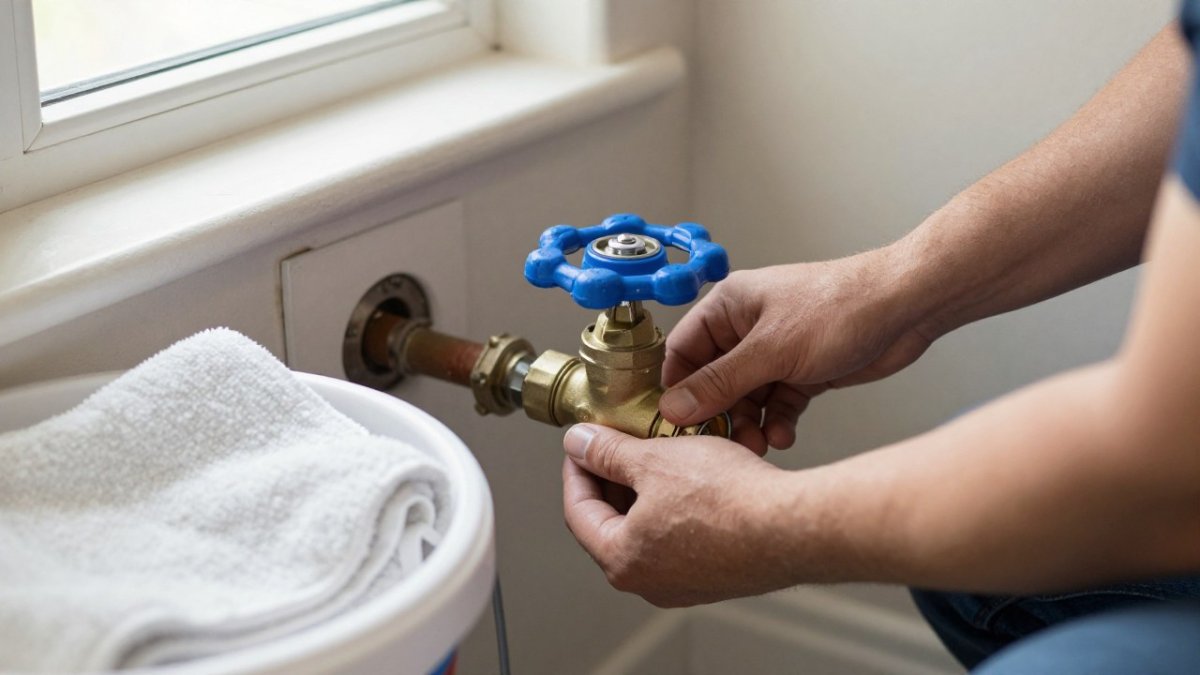
Shut off the main water valve first. Everything else comes second. A burst pipe can push out several gallons a minute, and every minute counts.
Here is the order that works.
- Turn off the main water valve. Usually in the basement, crawl space, or near the meter.
- Open a low faucet to drain the remaining water and relieve pressure.
- Kill the power to any room with standing water at the breaker panel. Do not stand in water to do it.
- Contain the leak with towels, buckets, and a tarp.
- Move furniture and electronics away from the wet area.
- Call for urgent plumbing repair as soon as the water stops.
What to Do While You Wait for Help
Waiting is the hard part. Use it well.
- Take photos and video of all damage for your insurance claim.
- Pull up wet rugs and move boxes off the floor.
- Do not run any water in the house.
- Do not use a shop vac near outlets or standing water.
- Clear a path so the technician can reach the shut-off and the leak.
If you are unsure what to do in the first minute, what to do if your pipe bursts walks through the immediate steps in plain language.
Sewage Backups, Overflowing Toilets, and Major Leaks
Sewage backup is a problem to leave to a professional. Wastewater carries bacteria and creates a real health risk. Call immediately, and keep everyone, especially children and pets, away from the area.
An overflowing toilet is urgent when it will not stop. Shut off the supply valve behind the bowl, then stop flushing. If several drains back up at once, the blockage is in the sewer line, not the fixture.
Major leaks follow the same logic. A leaking pipe you can contain is urgent. A water leak spreading across a floor, or dripping through a ceiling, is an emergency.
- One toilet overflowing: shut the valve, then call.
- Multiple drains backing up: sewer line problem, call now.
- Water through a ceiling or wall: structural damage risk, call now.
- Slow leak under one sink: can usually wait.
Gas Leaks and Water Near Electrical Hazards
A gas leak is a life-safety emergency, not a plumbing appointment. Leave the building first, then make the call. The order matters more than the speed.
If you smell gas, hear hissing near a gas line or water heater, or a carbon monoxide alarm sounds:
- Do not flip any switches, light a match, or use your phone inside. A spark from a light switch or a phone can ignite gas. Leave the phone in your pocket until you are outside.
- Get everyone out, including pets. Move upwind and away from the building, not toward the street where gas may pool.
- Call your gas utility’s emergency line from outside. Most utilities publish a dedicated emergency number on their website and on the meter. If you cannot reach the utility, call 911.
- Do not re-enter for belongings. Wait for the utility or fire department to give the all-clear.
- Do not try to find or fix the leak yourself. Shut-off valves on gas lines are utility property in most cases, and tampering can make the situation worse.
Watch out: a faint gas smell that comes and goes is still a leak.
Water near electricity is the second hazard to take seriously, and it is the one homeowners most often underestimate. Standing water around outlets, a panel, or a plugged-in appliance can shock you even if the water looks shallow. The safe sequence:
- Do not touch anything electrical that is in or near the water.
- Cut power at the breaker only if you can reach the panel while standing on a dry surface and the panel itself is not wet. If either condition fails, get out and call for help.
- Keep others away from the wet area until power is confirmed off.
- Call an emergency plumber and, if there is any sign of sparking, scorching, or a burning smell, call 911 or your utility first.
A common pattern in water-damaged homes is a slow leak that reaches a basement panel or a floor outlet days after the visible leak started.
The U.S. Consumer Product Safety Commission publishes home safety guidance on gas and electrical hazards worth keeping on hand, and the U.S. Fire Administration covers home fire and carbon monoxide safety.
Emergency Plumber vs. Regular Plumber: Which Do You Need?
An emergency plumber handles urgent, after-hours problems that cannot wait. A regular plumber handles planned repairs, installations, and maintenance. The difference is timing and urgency, not skill.
Choose an emergency plumber when water is running, sewage is backing up, or a safety hazard is present.
One thing most people miss: the best time to find a plumber is before you need one. Check licensing, read reviews, and save a number.
Our guide on how to find reliable plumbers in Plymouth MA covers what to check before you hire.
What to Expect from Emergency Plumber Cost and Fees
Emergency plumbing costs more than a weekday visit, and that is normal.
Here is how emergency plumbing bills are typically built, so you can ask the right questions before anyone starts work.
The three parts of an emergency bill:
- Call-out or trip fee. A flat charge for showing up, separate from the repair. It is usually higher after hours, on weekends, and on holidays.
- Labor. Either a flat rate for the job or an hourly rate with a minimum. Flat-rate pricing is more common for defined repairs like a burst pipe section or a toilet rebuild; hourly pricing shows up more on diagnostic work and jobs where the scope is unknown until the wall is open.
- Parts and materials. Fittings, pipe, valves, wax rings, and shut-off valves. Ask whether these are included in the quoted number or added on top.
Questions to ask before work begins:
- What is the after-hours call-out fee, and does it change on weekends or holidays?
- Is the repair quoted as a flat rate or by the hour? If hourly, what is the minimum charge?
- Are parts included in the quote, or billed separately?
- Is there a diagnostic fee, and is it credited toward the repair if I approve the work?
- Will I get the final number in writing before work starts?
- Do you charge for a return visit if the same problem comes back?
Get the number in writing. A reputable company will give it to you up front.
Watch out: a very low call-out fee can be a loss leader, with the real cost loaded into the hourly rate or parts markup.
What can change the price:
- Access. A shut-off valve in a finished ceiling or behind drywall takes longer to reach than one in an open basement.
- Time of day. Overnight and holiday calls carry the steepest premiums.
- Scope discovered on site. A burst pipe behind a wall may turn into a drywall repair, which is often a separate trade and a separate bill.
- Permits. Some repairs require a permit, and the fee is usually passed through.
For a deeper look at avoiding surprise bills, read how can you avoid surprise plumbing repair costs.
Handling a Plumbing Emergency in an Apartment or Shared Building
In an apartment, your first call is often your building manager or landlord, not a plumber. They control the main shut-off and the building’s plumbing.
Do this instead:
- Call the building’s emergency line first.
- Shut off any fixture valve you can reach.
- Warn neighbors if water is spreading through a shared wall or ceiling.
- Document everything with photos.
If the building does not respond, call an emergency plumber and tell them it is a multi-unit building. They can advise on shutting off the supply safely.
Get Priority Emergency Response with Clayton McKay
Plumbing emergencies do not keep business hours, and neither do we. Clayton McKay has been a family-owned home services business since 1973, with licensed plumbers, electricians, and certified HVAC technicians on one team.
Our Comfort Plus+ membership gives members priority rapid response when something goes wrong, plus savings on repair work. One call covers plumbing, heating, cooling, and electrical.
When you need help right now, emergency plumbing in Plymouth connects you with our team. Get an instant quote and know the price before we start.
A burst pipe or sewage backup gets worse by the minute.
Frequently Asked Questions
What is considered an emergency plumbing issue?
A plumbing emergency is any problem that risks immediate property damage, health, or safety. This includes burst or broken pipes, active flooding, sewage backups, gas leaks, water near electrical outlets, and a complete loss of water. If you see standing water spreading or smell gas, call an emergency plumber right away. A slow drain or a dripping faucet can usually wait for a regular appointment.
How much does an emergency plumber usually cost?
Emergency plumber cost depends on the time of day, the severity of the problem, and your location. After-hours, weekend, and holiday calls typically include a higher service fee than regular appointments. Ask the dispatcher for the call-out fee, hourly rate, and any additional charges before booking. Clayton McKay provides clear, accurate invoicing so you know what to expect before work begins.
Should I call an emergency plumber for a burst pipe?
Yes. A burst pipe can release gallons of water into your home within minutes, leading to structural damage and mold. Shut off the main water valve immediately, then call an emergency plumber. If water is near electrical outlets or your electrical panel, stay clear and call a licensed electrician as well. Quick action prevents further damage and reduces repair costs.
What should I do before the emergency plumber arrives?
Shut off the main water valve to stop the flow, and turn off electricity to affected areas if it is safe to do so. Move furniture and valuables away from the water, and place towels or buckets to contain the leak. Document the damage with photos for your insurance claim. If you smell gas, leave the building immediately and call from outside.


Leave A Comment