

Last Updated: November 24, 2026
Quick Summary
Plumbing maintenance is the routine inspection, cleaning, and adjustment of your home’s water supply, drain, and heating systems before small faults become expensive failures. Walk the house room by room twice a year, checking under sinks, fixtures, and appliance connections, and flush your water heater annually to remove sediment.
- Inspect under-sink connections and shutoff valves twice a year for stains, soft wood, or mineral crust.
- Pour cooking grease into a container and discard it instead of washing it down the drain.
- Flush water heater sediment annually and inspect the anode rod every two to three years.
- Insulate exposed pipes and disconnect garden hoses before the first hard freeze.
- Test for hidden leaks by watching the water meter’s leak indicator while all water is off.
Table of Contents
- Why Plumbing Maintenance Pays Off Before Something Breaks
- Your Home Plumbing Maintenance Checklist, Room by Room
- How to Prevent Clogged Drains and Keep Water Flowing
- Water Heater Maintenance That Extends Its Life
- How to Prevent Frozen Pipes Before the First Hard Freeze
- Reading the Warning Signs: Leaks, Corrosion, and Low Water Pressure
- A Seasonal Plumbing Maintenance Calendar for Coastal New England Homes
- DIY or Call a Licensed Plumber? Emergency Shutoff Steps and When to Stop
- Frequently Asked Questions
Why Plumbing Maintenance Pays Off Before Something Breaks
Plumbing maintenance is the routine inspection, cleaning, and adjustment of a home’s water supply, drain, and heating systems before small faults become expensive failures.
The logic is simple: water damage compounds.
Below, we walk through a room-by-room checklist, a seasonal calendar built for coastal New England weather, and clear guidance on what you can handle yourself versus what needs a Massachusetts licensed plumber.
Your Home Plumbing Maintenance Checklist, Room by Room
A plumbing maintenance checklist works best when you walk the house in a fixed order, so nothing gets skipped. Start under the sinks, move to the fixtures, then check the appliances that connect to the water supply.
Under-Sink and Appliance Connections
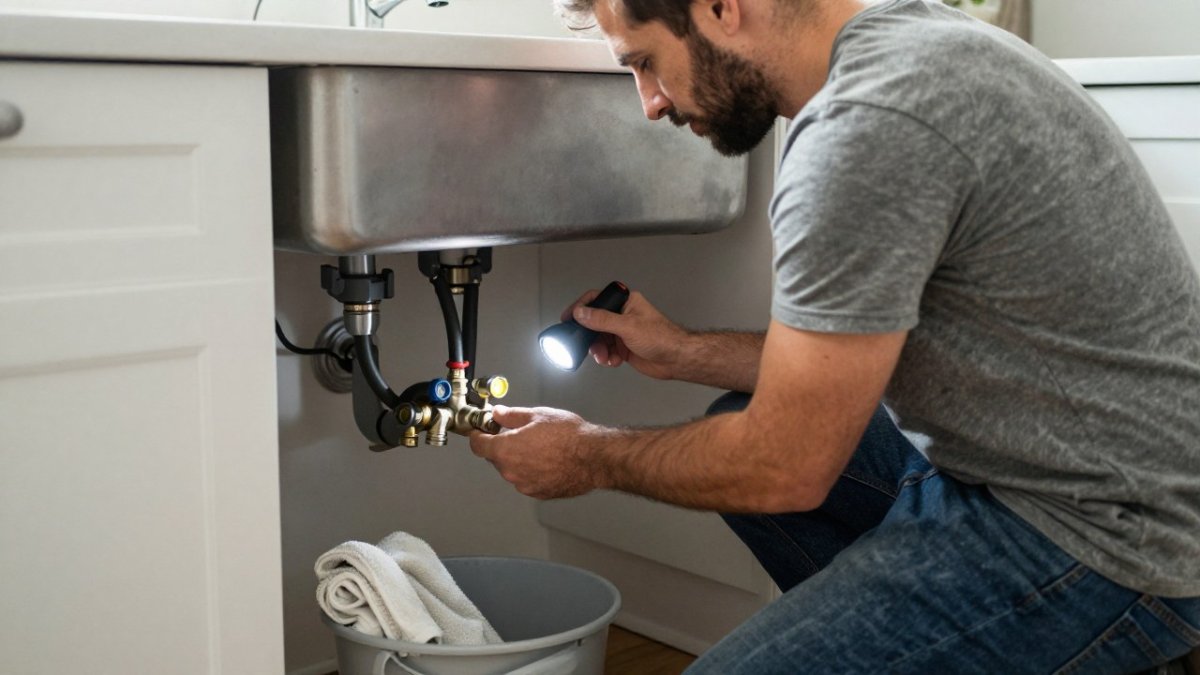
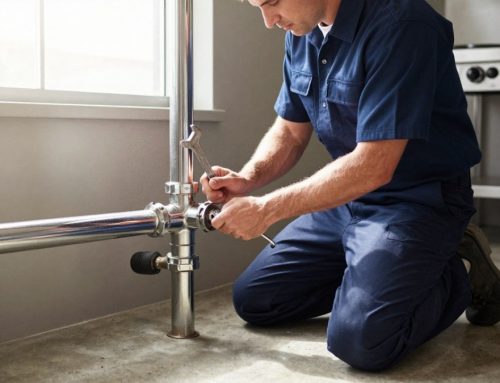
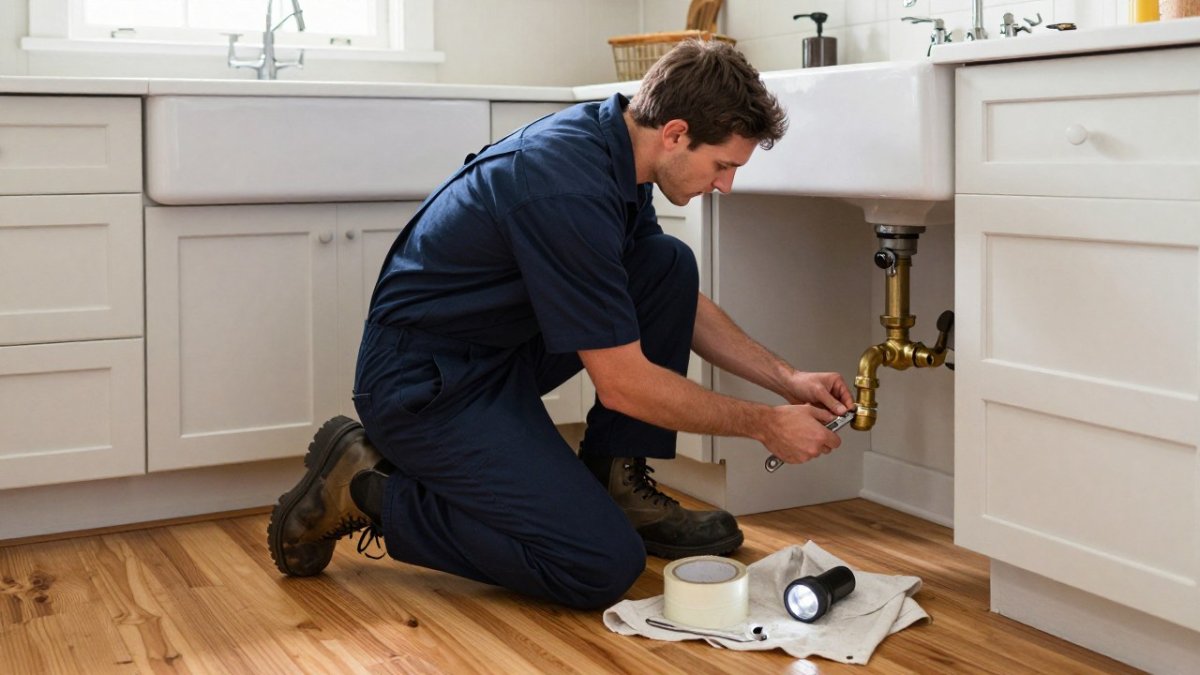
Under-sink inspection is where most hidden leaks start. Look for water stains, soft cabinet wood, or mineral crust on the fittings. Check the supply line connections and the shutoff valve, and confirm the valve actually turns.
Appliance connections deserve the same attention. Inspect washing machine hoses for bulging or cracks, check for drips at the dishwasher supply fitting, and remember that refrigerator water lines and ice maker connections are common leak points homeowners forget entirely.
Fixtures, Faucets, and Showerheads
Fixture maintenance is mostly about scale. Hard water leaves mineral buildup on faucet aerators and showerheads, cutting flow and making pressure feel weak. Unscrew the aerator, rinse it, and soak the showerhead in white vinegar when flow drops.
Run each fixture and watch the drain. Slow drainage under a sink often means a partial clog forming in the trap or tailpiece, and catching it early avoids a full blockage later.
How to Prevent Clogged Drains and Keep Water Flowing
Preventing clogged drains comes down to controlling what enters them. Grease, hair, coffee grounds, and wipes are the leading causes of household blockages, and each is preventable with a simple habit change.
- Pour cooking grease into a container and discard it, never down the drain
- Use a drain strainer in every sink and shower
- Run cold water for several seconds after using the disposal
For drains that already run slow, a plunger or drain snake handles most hair and soap clogs. Read more about why drains keep clogging and the common causes behind repeat blockages.
Water Heater Maintenance That Extends Its Life
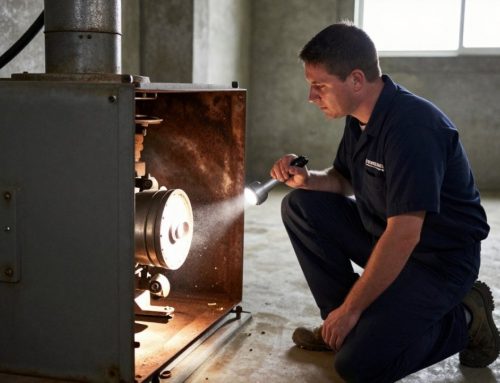
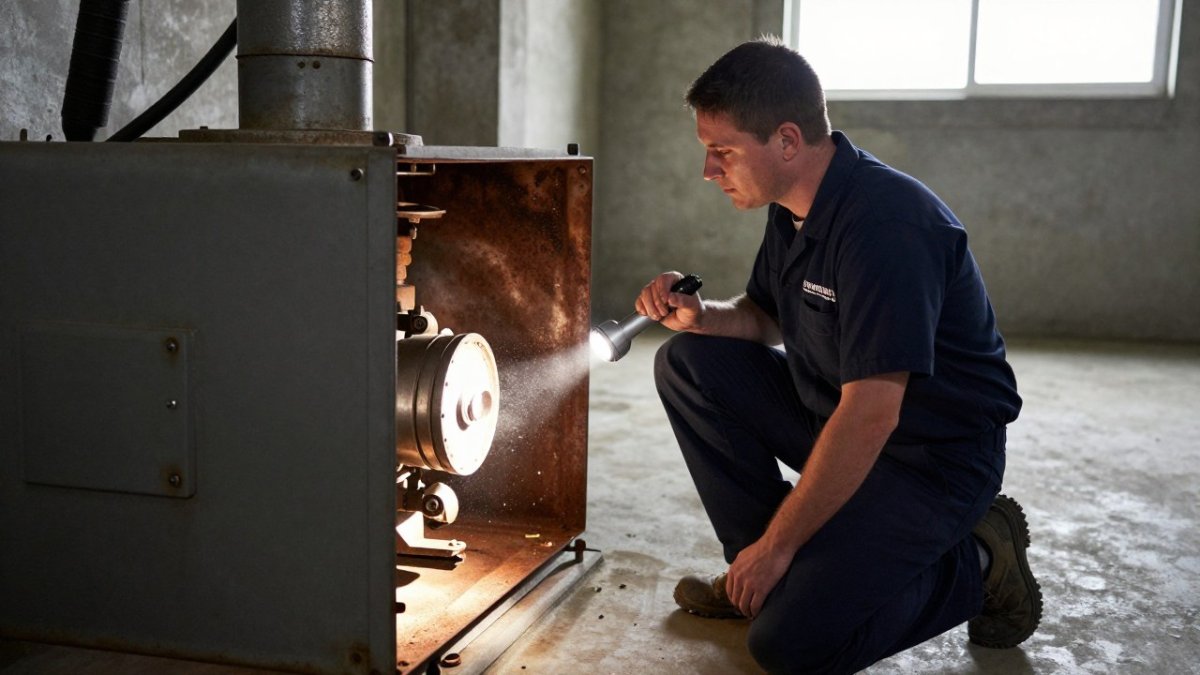
Water heater maintenance centers on one task: flushing sediment. Minerals settle at the bottom of the tank, insulate the burner from the water, and force the unit to work harder.
The basic routine:
- Shut off the power or gas and the cold water supply
- Connect a hose to the drain valve and run it to a safe drain
- Open the valve and let the tank drain until the water runs clear
- Close the valve, refill the tank, and restore power or gas
Check the anode rod and temperature-pressure relief valve while you are at it, and look for rust or moisture at the fittings. Our guide to water heater maintenance tasks covers each step in detail.
How to Prevent Frozen Pipes Before the First Hard Freeze
Preventing frozen pipes is about insulation and moving air. Pipes in exterior walls, crawl spaces, garages, and unheated basements freeze first, and a burst pipe can release hundreds of gallons before you shut it off.
Insulate exposed pipes with foam sleeves, seal gaps where cold air reaches plumbing, and disconnect garden hoses before the first freeze. Our step-by-step guide on how to prevent frozen pipes walks through each measure in order.
Reading the Warning Signs: Leaks, Corrosion, and Low Water Pressure
Low water pressure and inconsistent flow are usually symptoms, not the problem itself. A sudden drop at one fixture points to a clogged aerator or failing valve; a drop across the whole house suggests a supply issue, a partially closed main valve, or a hidden leak. The difference between guessing and knowing is measurement, and most homeowners never take the two readings that would tell them which problem they have.
Use the water meter to confirm a hidden leak
Every home has a water meter, usually near where the supply enters the house or in a utility closet. To test for a hidden leak, turn off every fixture and appliance that uses water, then watch the meter’s leak indicator, the small dial or triangle that spins even at low flow.
For a more precise reading, note the meter’s numeric display before and after a two-hour window when no one uses water. Any change beyond normal fluctuation points to a leak.
Read your water bill like a diagnostic tool
Water bills are a maintenance record you already receive. Compare the same billing period year over year rather than month over month, since seasonal use distorts short-term comparisons. A steady climb with no change in habits usually means a running toilet, a dripping outdoor spigot, or a supply-line leak.
Interpret pressure and flow changes correctly
Pressure problems fall into two buckets. Whole-house low pressure, weak flow at every fixture, points to the main valve, the pressure regulator, or a supply-side issue. Single-fixture low pressure points to the aerator, the cartridge, or the fixture’s own shutoff. Test with a pressure gauge screwed onto an outdoor hose bib:
Watch out: never open a wall or cut into a supply line to chase a leak without shutting off the main first, and do not assume a pressure drop is harmless, a failing regulator can stress every appliance and fixture in the house.
Recognize corrosion and scaling early
Watch for these signs:
- Discolored water or metallic taste, which can indicate corrosion in the pipes
- Green or white crust on fittings, a sign of mineral buildup or a slow leak
- Damp patches, musty smells, or a water bill that climbs without explanation
Corrosion and calcium scaling narrow the inside of pipes over time and reduce flow throughout the home. If pressure problems persist after you check the aerators and the main valve, the cause may sit deeper in the system. Start with why your water pressure is low to understand the likely causes.
A Seasonal Plumbing Maintenance Calendar for Coastal New England Homes
A maintenance schedule beats a scramble every time. Coastal New England weather swings hard between seasons, and salt air, freeze-thaw cycles, and older housing stock all put stress on home plumbing.
| Season | Key Tasks | Why It Matters |
|---|---|---|
| Spring | Check for winter damage, test shutoff valves, inspect outdoor spigots | Catches freeze damage before it leaks |
| Summer | Flush the water heater, clean aerators, check appliance hoses | Lowers energy use, prevents scale |
| Fall | Insulate pipes, disconnect hoses, service the heating system | Prepares the home for freezing nights |
| Winter | Keep cabinet doors open, monitor for drafts, watch for slow drains | Reduces burst-pipe risk |
Pair this with a whole-house inspection once a year. Homes near the coast should check for corrosion more often, since salt air accelerates wear on exposed metal fittings and outdoor connections.
A component-by-component schedule you can actually follow
Seasonal calendars tell you when to look; a component schedule tells you what to do and how often. These frequencies catch problems before they become repairs:
- Drains: Strainers cleaned weekly; a preventive enzyme or hot-water flush monthly; a full snake or professional clearing only when slow drainage recurs.
- Water heater: Sediment flush annually; anode rod inspected every two to three years; temperature-pressure relief valve tested once a year by lifting the lever briefly and confirming it reseats.
- Fixtures and faucets: Aerators and showerheads soaked in white vinegar every three to six months in hard-water homes; cartridges replaced at the first persistent drip.
Tailor the plan to your home
Generic schedules assume a generic house. Older homes with galvanized or original copper supply lines benefit from more frequent pressure and corrosion checks.
Watch out: a schedule is only useful if the shutoff valves actually work. Exercise every valve once a year, because a valve that has sat open for a decade may not close when you need it most.
DIY or Call a Licensed Plumber? Emergency Shutoff Steps and When to Stop
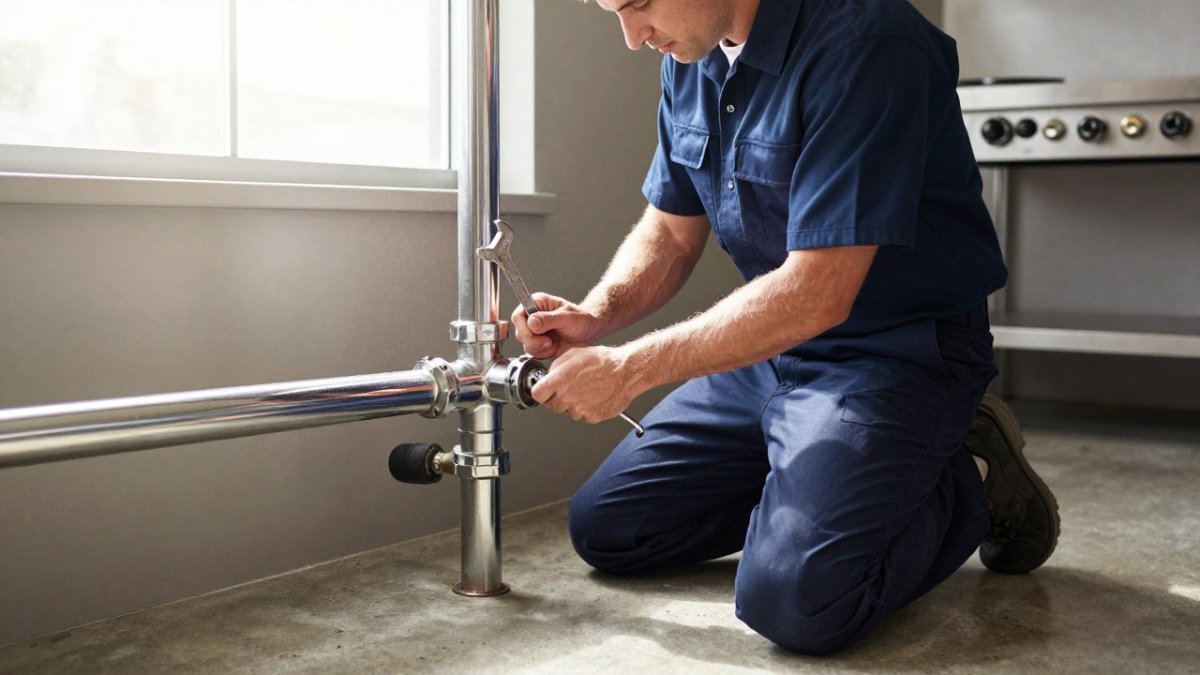
Some jobs are safe for a careful homeowner; others are not. Replacing an aerator, plunging a clog, or insulating a pipe falls in the first group.
If water is pouring and you cannot stop it, act first:
- Shut off the main water shutoff valve, usually near the meter or where the supply enters the house
- Open a low faucet to drain remaining pressure
- Shut off power to a water heater or any affected electrical circuit
- Call for emergency service
Watch out: never open a wall or cut into a supply line to chase a leak without shutting off the main first. Our emergency plumbing services guide explains what to expect when you call.
Plumbing problems rarely stay small, and the difference between a minor repair and a flooded basement is usually timing.
Frequently Asked Questions
What are some simple plumbing maintenance tips for homeowners?
Start with the tasks that catch problems early: check under every sink and around the toilet base for moisture once a month, test the main water shutoff valve twice a year, and run water through rarely used drains to keep traps full. Clean faucet aerators and showerheads in white vinegar when flow drops, and flush the water heater annually to clear sediment. These small checks take an hour or two a month and catch most issues before they become water damage.
How often should homeowners inspect their plumbing?
A quick visual walk-through monthly, a full plumbing maintenance checklist each season, and a professional inspection once a year works for most homes. Older homes, or those with galvanized or polybutylene pipe, benefit from a professional look twice a year. Pay extra attention after hard freezes, after any repair, and whenever the water bill jumps without a change in use, since a hidden leak often shows up there first.
What is the 135 rule in plumbing?
The 135 rule is a rough sizing guide: a 1-inch pipe should not carry more than about 1 fixture unit, a 1.5-inch pipe about 3, and so on, which is why undersized drain lines clog constantly. It is a design rule for installers rather than a homeowner checklist item, but it explains why adding a bathroom or appliance to an old drain line can cause backups. If a drain clogs repeatedly despite careful use, ask a licensed plumber whether the line is undersized.
How can homeowners help prevent clogged drains?
Keep grease out of the kitchen drain by wiping pans into the trash, and use a strainer in every sink and tub. Flush only toilet paper and human waste, never wipes labeled flushable, dental floss, or hair. Once a month, pour a kettle of hot water down each drain and run the disposal with cold water for 30 seconds. If a drain slows, clear it with a plunger or drain snake rather than repeated chemical cleaners, which can damage older pipes.
How can you prevent pipes from freezing?
Insulate pipes in unheated spaces like crawlspaces, garages, and rim joists, and seal gaps where cold air reaches them. Before a hard freeze, disconnect garden hoses, shut off and drain outdoor spigots, and keep cabinet doors open under sinks on exterior walls. Set the thermostat no lower than 55°F when away, and let a pencil-thin stream run from the farthest faucet during extreme cold. If a pipe does freeze, shut off the main valve before thawing it.
When should you call a plumber for a leak or plumbing problem?
Call a licensed plumber when you cannot find the source of a leak, when water is pooling or a ceiling is staining, when the main shutoff will not close, or when a drain backs up repeatedly after clearing. Sewage smells, a running toilet that resets itself, and water pressure that drops across the whole house also warrant a professional visit. Shut off the main valve first, then call; most providers offer priority response for members.
Is a preventative maintenance membership worth it for a homeowner?
It depends on how much you would otherwise schedule and pay for on your own. A membership bundles scheduled inspections, priority scheduling, and discounts on repairs, which helps most when your home has aging systems: an older water heater, original piping, or a heating system near the end of its life. Ask exactly what visits are included, what the repair discount is, and whether emergency response is 24/7 before you compare the annual fee to your typical repair spending.


Leave A Comment