

Last Updated: November 26, 2026
Quick Summary
An emergency heating repair cost estimate is a written or verbal projection of what a repair will cost, and it cannot be finalized until a technician diagnoses the actual fault. The estimate you receive before diagnosis is a range, while the estimate after diagnosis is a scope of work.
- A transparent estimate itemizes the diagnostic fee, emergency surcharge, labor, parts, permits, follow-up work, and taxes.
- An after-hours HVAC service fee is the single biggest swing factor in an emergency bill.
- An HVAC repair cost calculator is useful for budgeting but is not a quote.
- Ask for the diagnostic fee amount and whether it is credited toward the repair if you approve the work.
- Compare quotes on normalized lines like diagnostic fee, surcharge, labor rate, parts markup, and warranty terms.
Table of Contents
- Why Emergency Heating Repair Cost Estimates Are Hard to Pin Down
- What a Real Emergency HVAC Service Cost Breakdown Looks Like
- How the After-Hours HVAC Service Fee Changes Your Total
- Using an HVAC Repair Cost Calculator Without Getting Burned
- What Belongs on a Residential HVAC Service Price List
- Cost Scenarios by Symptom and System Type
- How to Compare Emergency Heating Quotes Step by Step
- When to Call Clayton McKay for an Emergency Heating Repair Estimate
- Frequently Asked Questions
Why Emergency Heating Repair Cost Estimates Are Hard to Pin Down
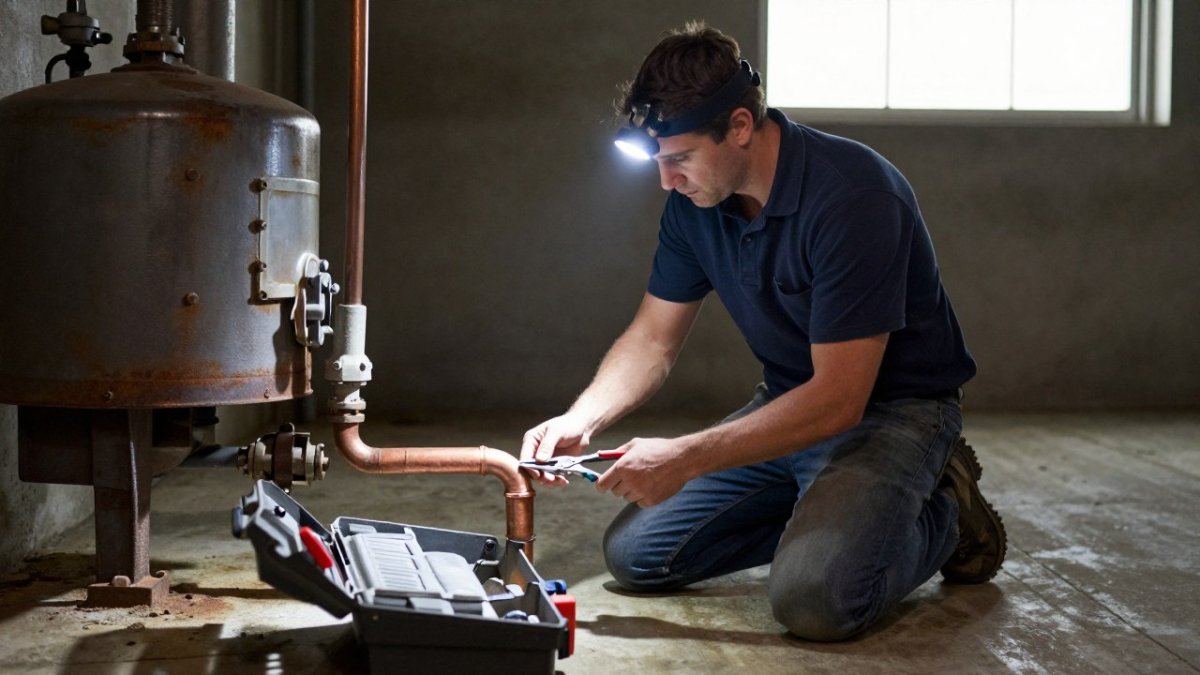
An emergency heating repair cost estimate is a written or verbal projection of what a repair will cost, and it cannot be finalized until a technician diagnoses the actual fault. That is the uncomfortable truth behind every number you hear over the phone at 11 p.m. on a January night.
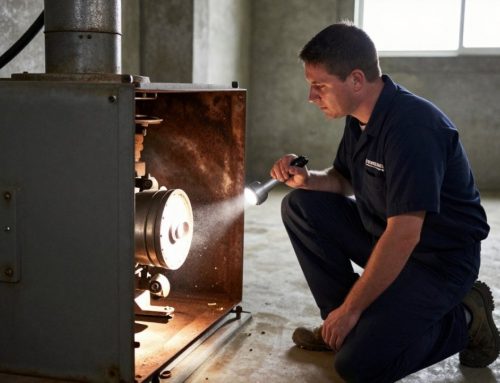
Here is what most homeowners get wrong: they expect a firm price before anyone has opened the furnace. If you are dealing with a no-heat call right now, our emergency heating repair Plymouth MA guide covers what to do first. No honest contractor can give one.
The pattern rarely changes in emergency heating calls. The estimate you receive before diagnosis is a range. The estimate you receive after diagnosis is a scope of work. Confusing the two is how people end up feeling misled.
Watch out: a phone quote given without any system details is a guess dressed up as a price. Ask what it covers before you agree to dispatch.
What a Real Emergency HVAC Service Cost Breakdown Looks Like
A legitimate emergency HVAC service cost breaks into distinct line items, and the only way to judge a quote is to see each one separately. Most contractors will give you a single number over the phone.
Here is the structure a transparent estimate follows, in the order the charges typically appear:
- Diagnostic or service-call fee. A flat charge for travel, testing, and fault identification. Ask whether it is credited toward the repair if you approve the work.
- Emergency surcharge. The after-hours, weekend, or holiday premium, stated as either a flat fee or a percentage of labor.
- Labor. Billed hourly or as a flat rate for a defined repair. The estimate should state which method applies and the rate.
- Parts. The component cost plus the contractor’s markup. A fair estimate names the part and shows the markup as a separate line rather than burying it in a lump sum.
- Permits and inspections. Some repairs, particularly gas-line or electrical work, require a permit. Ask whether the fee is included or billed separately.
- Follow-up work. If the diagnosis reveals a second problem, the estimate should say whether a return visit carries another service-call fee.
- Taxes. Sales tax on parts and, where applicable, labor varies by state and municipality. It should appear as its own line, not folded into the total.
| Cost Component | What It Covers | How It Is Billed | What to Confirm |
|---|---|---|---|
| Diagnostic fee | Travel, testing, fault identification | Flat fee per visit | Credited toward repair if approved? |
| Emergency surcharge | After-hours, weekend, holiday dispatch | Flat fee or percentage of labor | Exact amount for your call time |
| Labor | Technician time to complete the repair | Hourly rate or flat rate | Which method and what rate |
| Parts | Replacement components | Part cost plus stated markup | Part name and markup percentage |
| Permit | Local inspection and authorization | Pass-through or included | Included or billed separately |
| Follow-up visit | Return trip for a second issue | Second service-call fee or waived | Policy in writing |
| Taxes | State and local sales tax | Percentage of taxable lines | Which lines are taxable |
A practical way to use this structure: when a technician hands you an estimate, read it line by line against the list above. If a line is missing, ask why. If a line is bundled, ask for it to be separated.
Watch out: an estimate that quotes a single “repair” price with no diagnostic, labor, or parts breakdown gives you no way to compare it to any other quote, and no way to challenge an overage later.
One more distinction matters. An estimate is a projection of cost based on what the technician can see. A guaranteed price is a commitment to complete a defined scope for a fixed amount. Most emergency repairs cannot be guaranteed until the system is opened and the failed component is confirmed.
How the After-Hours HVAC Service Fee Changes Your Total
An after-hours HVAC service fee is the premium a company adds for sending a technician outside standard business hours, and it is the single biggest swing factor in an emergency bill. Weekend and holiday calls typically carry the highest premium because they pull staff away from their families.
Still, you deserve to know the number before dispatch. A reputable company states its after-hours policy up front, in plain language, so there are no surprises when the invoice arrives.
A maintenance membership can change this math, since membership programs may offer priority scheduling and reduced service-call charges.
Using an HVAC Repair Cost Calculator Without Getting Burned
An HVAC repair cost calculator is an online tool that produces a rough range based on the symptom you select and the system type in your home. It is useful for budgeting. It is not a quote.
The trap is treating the calculator’s output as a promise. These tools cannot see your equipment, its age, its condition, or the actual failed component. A calculator might tell you a blower motor issue falls in one range, but if your unit also needs a control board, that range is meaningless.
Use a calculator for one purpose: to sanity-check whether a quote is wildly out of line. If a written estimate lands far above the tool’s range, ask the technician to walk you through the scope. If it lands far below, ask what is excluded. For a fuller picture of what services and charges typically appear on an invoice, our heating system frequently asked questions page answers the questions homeowners ask most.
What Belongs on a Residential HVAC Service Price List
A residential HVAC service price list should state, at minimum, the diagnostic fee, the hourly or flat labor rate, the after-hours and holiday surcharge policy, and whether parts are billed at cost plus a stated markup. Anything less leaves you guessing.
Ask for this list before you have an emergency, not during one.
Watch out: a price list that quotes only a “starting at” figure for repairs, with no diagnostic or labor detail, tells you almost nothing. Push for the itemized version.
Cost Scenarios by Symptom and System Type
The symptom you describe and the system you own drive the scope of work more than any other factor. A furnace that will not ignite is a different job from a heat pump that runs but blows cold air, and a boiler adds its own parts and labor profile.
Common emergency calls break down roughly like this:
- No heat, no power: often a safety switch, thermostat, or control board issue
- Short cycling: frequently a flame sensor, dirty filter, or airflow restriction
- Loud banging or rattling: blower, motor mount, or ductwork problem
- Boiler not heating: circulator pump, aquastat, or expansion tank fault
- Heat pump blowing cold: reversing valve, refrigerant charge, or defrost board
System type matters because parts availability and labor time differ. Boilers and older furnaces tend to take longer to diagnose and repair than a standard forced-air furnace. If your issue points to a boiler, our boiler installation, repair, and maintenance service covers that work specifically.
How to Compare Emergency Heating Quotes Step by Step
Comparing emergency heating quotes comes down to normalizing them: put every quote on the same footing before you judge price.

On the phone, ask these questions in this order:
- What is the diagnostic fee, and is it credited toward the repair if I approve the work? Get the dollar amount, not a range.
- What is the after-hours surcharge for right now? Confirm whether it is a flat fee or a percentage, and whether it applies to the diagnostic, the labor, or both.
- What is the labor rate, and is it hourly or flat? If hourly, ask whether travel time is billed.
- Is the estimate written, and will I see it before work begins? A verbal estimate is not a document you can compare.
- What is excluded? Permits, follow-up visits, parts not in stock, and disposal fees are the usual omissions.
- What is the warranty on the repair, and does it cover labor as well as parts?
- Are you licensed and insured for this type of work? Ask for the license number and confirm it with your state’s licensing board.
When the technician arrives, confirm the scope before authorizing. The diagnostic visit should end with a written scope that names the failed component, the repair method, the parts to be installed, and the total price.
Then compare quotes on normalized lines, not totals. Put each estimate side by side and compare the diagnostic fee, the surcharge, the labor rate and method, the parts markup, and the warranty terms.
Before you start comparing, confirm you are inside the coverage map on our service areas page, so you are not weighing quotes from companies that cannot reach you.
That is the process. It takes ten extra minutes and it is the difference between choosing on price and choosing on value.
When to Call Clayton McKay for an Emergency Heating Repair Estimate
The real challenge with an emergency heating repair cost estimate is not finding a number. It is finding a company that will stand behind the number once the work is done. That is where we come in.
Clayton McKay has served Plymouth, the South Shore, and Cape Cod as a family-owned business since 1973. Our team includes Massachusetts licensed plumbers, licensed electricians, and certified HVAC technicians, so one call covers the whole system. Comfort Plus+ members get priority rapid response and preferred scheduling when the heat fails, along with savings on repair work and service calls.
If your system is down and you need answers, request a heating repair estimate and get a licensed technician to your door.
When the heat goes out, the last thing you need is a vague number and a long wait. Clayton McKay sends licensed, certified technicians. With priority response through Comfort Plus+ and a single team covering plumbing, heating, cooling, and electrical, you get one trusted source for the whole job.
Frequently Asked Questions
How much does emergency furnace service cost?
There is no single figure, because an emergency heating repair estimate depends on the diagnostic fee, the hourly labor rate, the parts required, and whether the call falls after hours, on a weekend, or on a holiday. Expect the diagnostic charge to be higher than a standard service call, and expect an after-hours surcharge on top of the base labor rate. Ask for an itemized estimate before work begins so you can see each line separately.
Is emergency HVAC more expensive than a standard appointment?
Yes. Emergency HVAC service cost typically runs higher than a scheduled visit because technicians are dispatched outside normal hours and often at short notice. The premium usually appears as a separate emergency or after-hours HVAC service fee, not as an inflated parts price. If you can safely wait until the next business day, a standard appointment usually costs less for the same repair.
What charges should an emergency heating repair estimate include?
A complete estimate should list the diagnostic or service-call fee, the hourly labor rate and estimated hours, parts with individual prices, any after-hours or weekend surcharge, and applicable taxes. It should also state whether the diagnostic fee is credited toward the repair if you approve the work. Ask for the estimate in writing before authorizing repairs so nothing is added later without your approval.
Should I repair or replace my furnace after an emergency breakdown?
The decision usually comes down to the age of the system, the cost of the repair relative to replacement, and how often it has failed recently. A common rule of thumb is that if the repair costs a large share of a new system’s price and the furnace is near the end of its expected service life, replacement deserves serious consideration. Ask your technician to walk you through both paths with numbers before you decide.


Leave A Comment